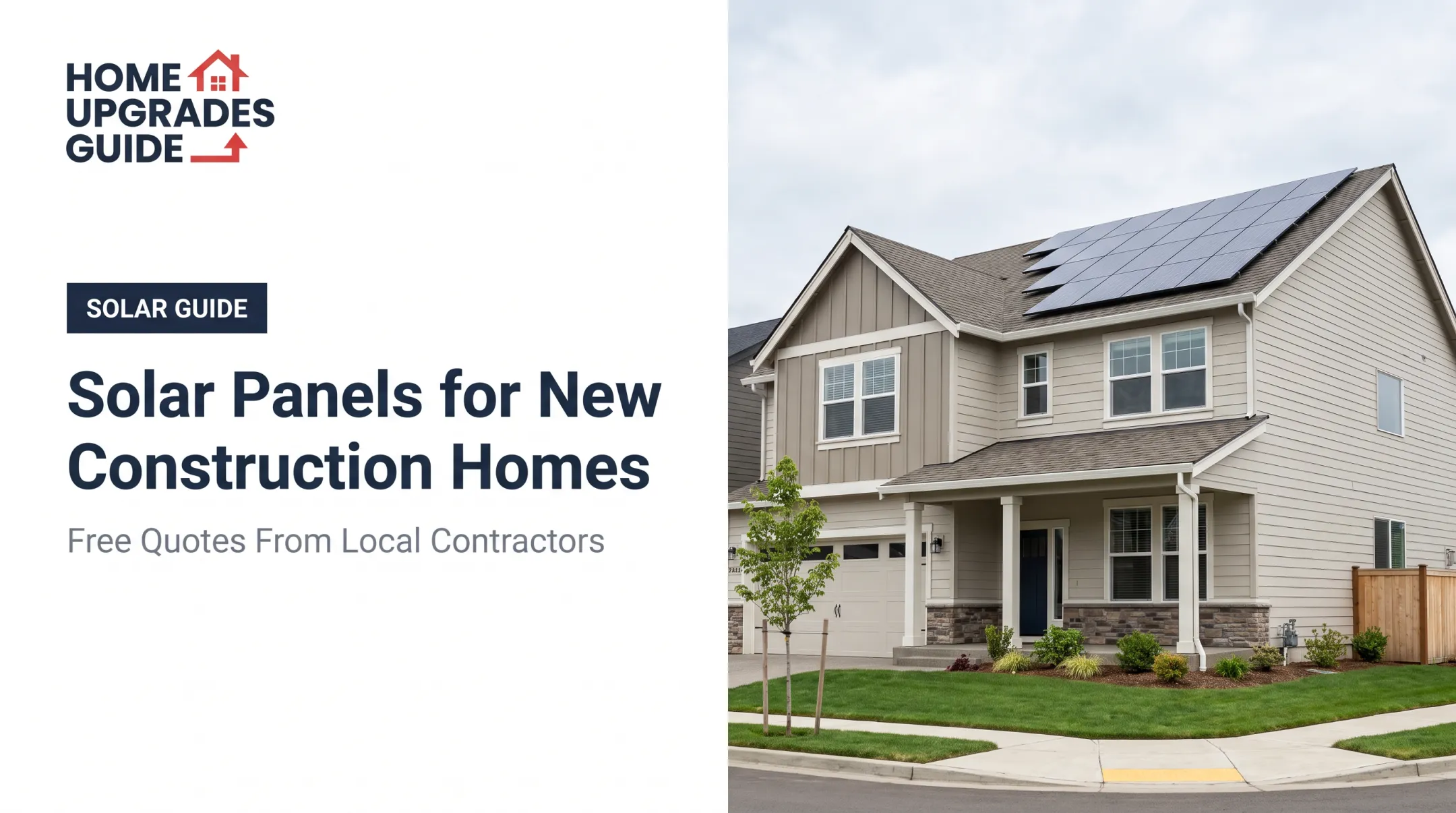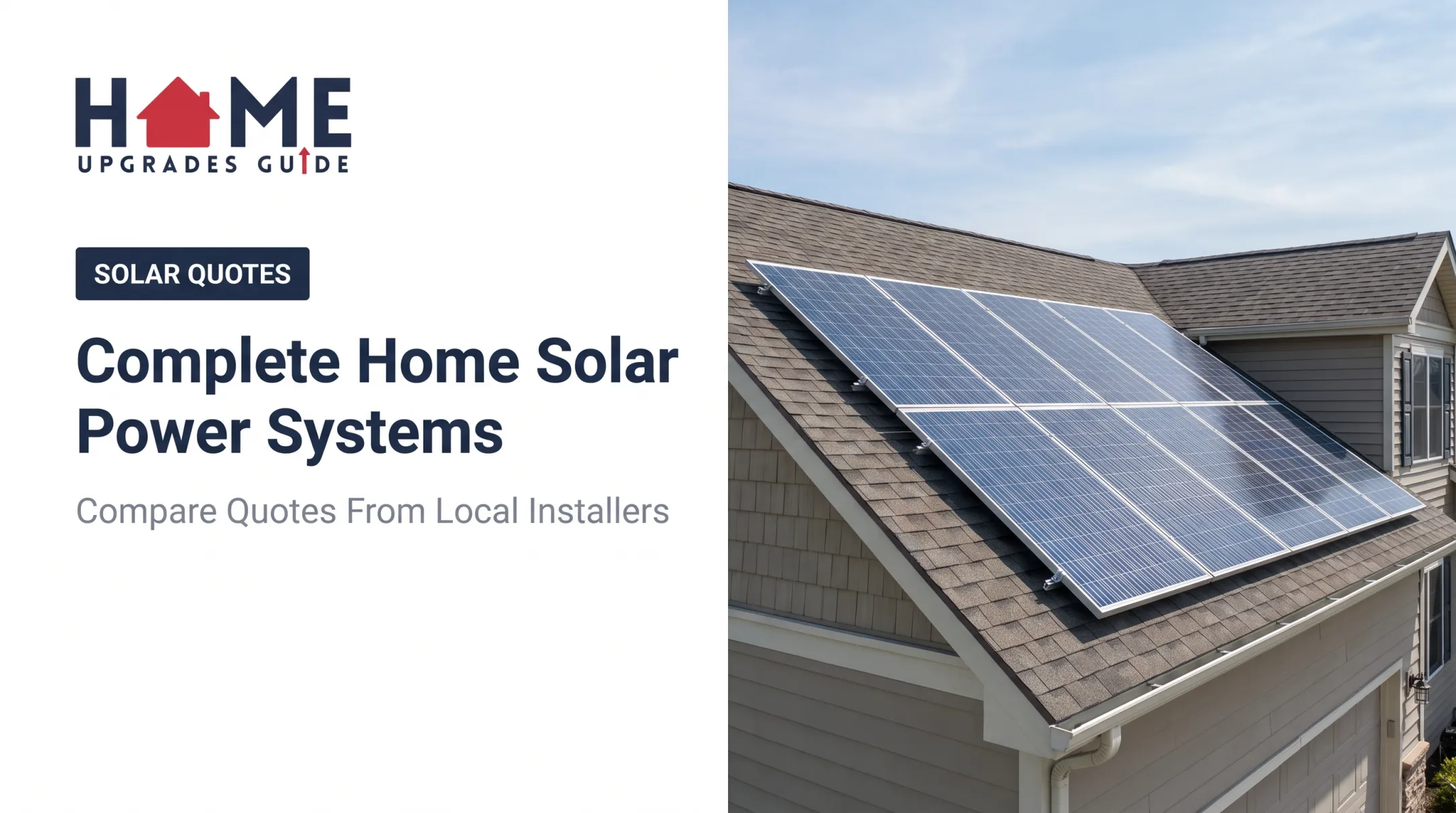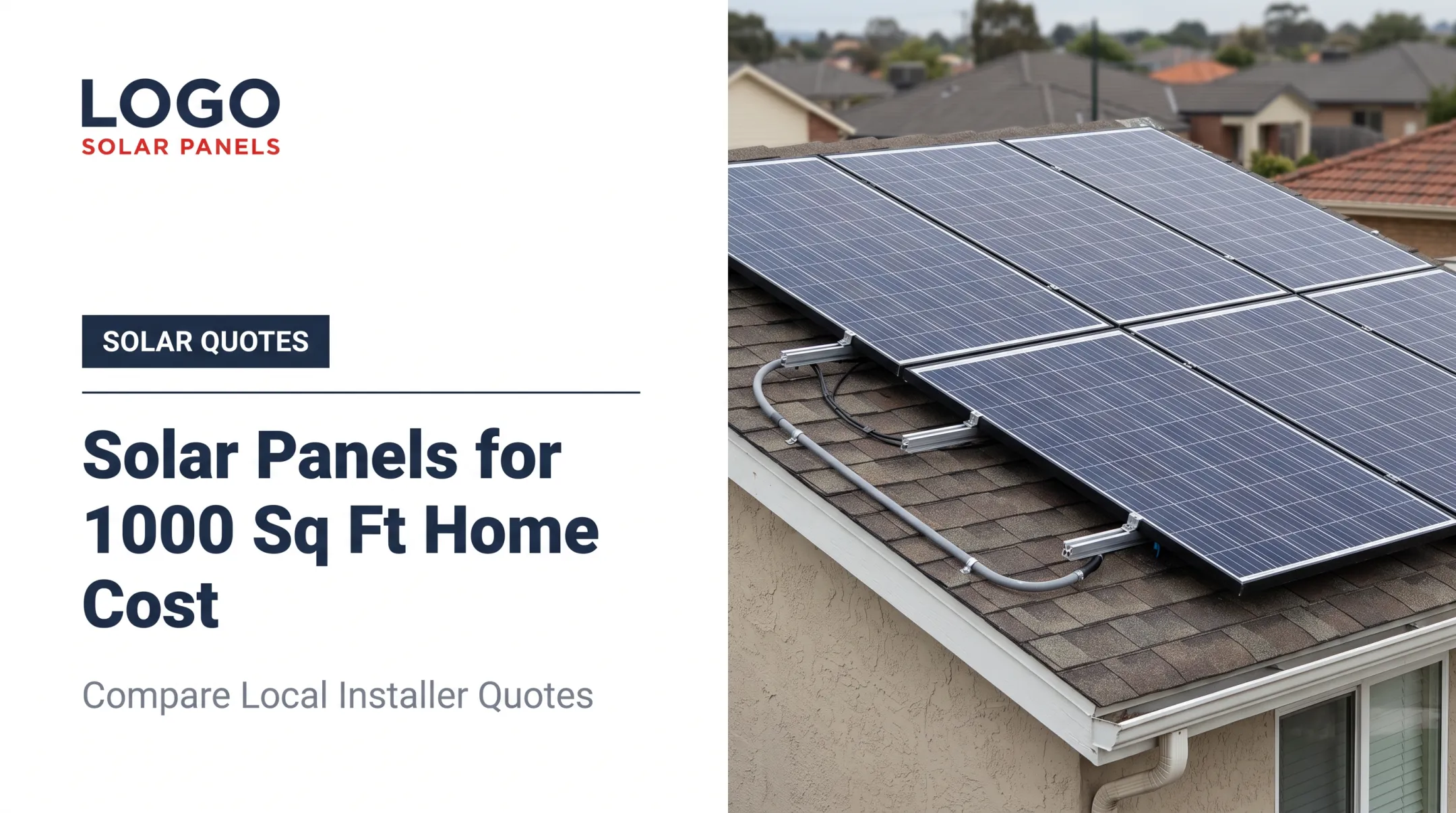

Solar power offers a path around some of these headaches, but "rural solar" isn't one single product. It could mean a grid-tied rooftop array, a ground-mounted system in the yard, or an off-grid setup with battery backup for a property that has no utility connection at all. The right fit depends entirely on your current electricity access and how much power your household actually uses.
This guide walks through the benefits, sizing considerations, placement options, battery expectations, permitting hurdles, and costs involved in rural solar, plus what to look for when comparing contractors.
Key Takeaways
- Plan batteries, wells, pumps, and seasonal demand so solar can cut grid or generator dependence
- Compare grid-tied, off-grid, and hybrid systems for equipment and backup before requesting quotes
- Match roofs, yards, barns, or outbuildings to sunlight, structure strength, and local rules
- Require itemized proposals with production estimates, battery capacity, warranties, and permitting costs
Why Solar Power Panels Can Benefit Rural Homeowners
Solar doesn't automatically mean "never pay a utility bill again." It's more accurate to think of it as a spectrum: some systems reduce your draw from the grid, while others, paired with sufficient batteries, can get you much closer to energy independence.
Backup power has real limits worth understanding upfront. A widely cited 2023 NREL study modeled a 10 kWh battery paired with solar sized to cover a home's annual usage, testing a three-day outage scenario.
The system supported limited essentials (refrigeration, nighttime lighting, well pumps, and internet) in most U.S. counties. Once heating and cooling were added to the load, average coverage dropped to 86%, and performance weakened further during winter storms and hurricane-driven cloudy stretches.

That's a useful reality check: battery backup for "everything" and battery backup for "the essentials" are two very different design goals.
Beyond outage protection, rural solar shows up in a lot of everyday applications:
- Refrigerators and chest freezers for stored food or farm products
- Well pumps and water-treatment equipment
- Communications gear, including internet routers and radios
- Farm offices, workshops, and barns
- EV charging for a truck or farm vehicle
Compared with running a gasoline or diesel generator around the clock, solar paired with storage cuts fuel purchases, reduces noise, and eliminates on-site exhaust emissions. Generator fuel costs add up fast, and that math should factor into any rural energy decision. Actual savings still depend on your generator, fuel prices, and usage patterns.
On agricultural land, solar can also power irrigation systems or remote equipment. Some properties explore dual-use "agrivoltaic" designs, where crops or grazing continue beneath or between panel rows. That's a different project entirely from a utility-scale solar lease, and the two shouldn't be confused when researching options for your own property.
How to Choose and Size a Solar System for a Rural Property
Getting the size right matters more in rural settings than almost anywhere else, since there's often no quick fix if the system falls short.
Grid-tied, off-grid, or hybrid: Which system fits?
- Grid-tied systems draw from and sometimes export to the utility grid. They're usually the simplest and least expensive option, but they shut down during outages unless paired with batteries.
- Off-grid systems have no utility connection at all. They require enough generation and storage to cover the property year-round, including low-sun stretches.
- Hybrid systems combine utility access with battery backup, giving you savings on your bill plus some outage protection for selected circuits.

Before requesting quotes, pull at least a year of electric bills if you have utility service, and list out:
- Critical loads (refrigeration, medical equipment, water systems)
- Seasonal loads (irrigation pumps, heating/cooling)
- Future purchases (EV, workshop tools, additional buildings)
- Current generator usage and fuel costs
Match system capacity to real household demand
Energy consumption over a month is one number. The instantaneous surge a well pump or air conditioner compressor needs at startup is another, and it's often double the running wattage.
A contractor should review these factors before finalizing a design:
- Roof orientation and shading
- Your region's solar resource
- Panel efficiency and inverter capacity
- Usable battery capacity and expected system losses
A practical example: during an outage, a homeowner might prioritize the refrigerator, a few lights, internet equipment, a medical device, and the water pump, in that order. No standard battery package runs every appliance in the house simultaneously for an extended period, so prioritizing matters.
If an EV, a heat pump, or a workshop expansion is on the horizon, say so during sizing. The inverter and electrical design should leave room for that growth rather than requiring a costly rework later.
Battery storage and backup expectations
Batteries store excess daytime solar generation for use at night or during outages. Whole-home backup and selected-circuit backup are different products with different price tags. Be clear about which one you're buying.
When comparing battery options, look at:
- Power output and usable capacity (not just total capacity)
- Round-trip efficiency and operating temperature range
- Warranty terms and expected capacity retention over time
- Compatibility with your specific inverter and electrical panel
Incentive amounts and backup-duration promises change often and vary by state and utility. Confirm current terms directly with your installer and a tax professional rather than relying on numbers from an old brochure.
Where Can Solar Panels Be Installed on a Rural Property?
Rural properties often have more placement options than a typical suburban lot, but each comes with its own trade-offs.
Roof-mounted panels
A home, barn, garage, or workshop roof can work well if it has sound structure, decent orientation, manageable shading, and safe access. Roof age matters too. Installing panels on a roof that needs replacement in five years just creates extra labor and cost down the road.
Outbuildings add complexity. A barn roof might be sunnier than the house, but tying it into the main electrical system often means trenching, conduit runs, and a separate connection. That work adds scope and cost.
Ground-mounted and yard installations
Ground mounts come in two main types:
- Fixed arrays are simpler and cheaper
- Tracking systems follow the sun for more output but need more maintenance and space
A yard installation needs:
- Sufficient, unshaded sunlight
- Stable soil and good drainage
- Setback distances from property lines
- Fencing or other protection from livestock, vehicles, and farm equipment
- Clearance from flood-prone areas
Local zoning, building permits, electrical inspections, and utility interconnection agreements all apply here. NABCEP's installation guidance also flags underground utility identification and conduit routing as standard site-survey steps, so don't skip that conversation with your contractor.
Rural land, farming, and environmental considerations
When panels go up near active farmland, think through soil disturbance, erosion, drainage, and cable protection in advance. Pollinator-friendly plantings beneath an array are increasingly common and can double as ground cover.
Design should preserve clear access for mowing, tractors, maintenance vehicles, and emergency responders.
Large solar farms, agricultural land leases, and agrivoltaic developments involve a completely different set of contracts, permitting steps, and tax questions than a homeowner's rooftop or yard installation. Don't let a sales conversation blur these into the same product.
Costs, Incentives, Maintenance, and Choosing a Contractor
Rural solar pricing swings more than typical suburban quotes because of site-specific factors. Expect your price to reflect:
- System size and whether it's roof or ground mounted
- Trenching distance to outbuildings
- Electrical-panel upgrades
- Battery capacity and backup type
- Site access difficulty and terrain
- Permitting and utility interconnection work
- Any roofing repair or replacement needed first
For a sense of scale, DOE's 2025 benchmarks model a standard 8 kW rooftop system at roughly $2.95 per watt before storage, and around $4.59 per watt once a 13.5 kWh battery is added.

These are national modeling benchmarks, not a quote for your property. Rural site work such as trenching, difficult terrain, and outbuilding connections typically is not reflected in that baseline.
On incentives, the federal Residential Clean Energy Credit has historically covered 30% of qualified costs. According to the IRS's credit page, that credit is not available for systems placed in service after December 31, 2025.
USDA rural energy grant programs are generally built for agricultural producers and small businesses, not ordinary residential installations. Confirm current eligibility with a tax professional before counting on any specific figure.
Maintenance expectations
Rural systems need the same basic care as suburban ones: keep panels clear of debris, check mounts after storms, and review inverter alerts. Ground-mounted arrays may also need vegetation control around the array footprint. Most warranties assume periodic visual checks rather than heavy DIY service.
A quote-comparison checklist
Before signing with anyone, request itemized proposals covering:
- Estimated annual production and how it was calculated
- Full equipment specifications, including battery assumptions
- Labor, permitting, and interconnection costs broken out separately
- Equipment and workmanship warranties
- Monitoring, maintenance, and exclusions
- Cancellation terms and the assumptions behind the projected savings
HomeUpgradesGuide is built for this kind of comparison. Homeowners can request free quotes from vetted local solar contractors, see how proposals stack up, and decide who to talk to, without committing upfront or fielding a dozen cold calls.
Conclusion: Is Solar Power Right for Your Rural Property?
Rural solar can mean lower grid dependence, real backup power during outages, and a way to run remote equipment without relying on fuel deliveries. Whether it makes sense for your property comes down to your load profile, available sunlight, site conditions, utility access, local rules, and budget.
A practical next step:
- Document your electricity use and critical loads
- Scout possible roof or yard locations
- Check local permitting requirements
- Compare detailed proposals from more than one qualified solar professional
If you'd rather skip the cold-calling, HomeUpgradesGuide's four-step process makes that comparison simple:
- Pick your project
- Answer a few quick questions (skip anything you're unsure about)
- Enter your address
- Review matches from vetted local contractors before deciding who to contact
Frequently Asked Questions
Can solar panels for rural areas run appliances like a fridge or air conditioner?
Yes, when the panels, inverter, and battery are sized for both normal use and startup surge demand. Air conditioners generally need significantly more capacity than refrigerators due to compressor startup loads.
Can you install solar panels in the yard on a rural property?
Ground-mounted panels are often possible if the site has enough sunlight, suitable soil and drainage, and safe clearances. You'll also need zoning, building, electrical, and utility approvals before installation.
What is the difference between off-grid and hybrid solar for a rural home?
Off-grid systems operate with no utility connection, relying entirely on solar and batteries. Hybrid systems stay connected to the grid while adding solar generation and battery backup for selected circuits.
How many batteries does a rural home need for backup power?
That depends on your critical loads, expected outage length, solar production, and whether you want whole-home or selected-circuit backup. A contractor should size this around your actual usage, not a generic rule of thumb.
Are solar panels worth it for a rural property?
Value depends on local electricity rates, grid-access costs, generator fuel spending, available incentives, system price, financing terms, and your personal backup or independence goals. There's no universal answer.
What should I ask a rural solar contractor before signing a contract?
Ask about production estimates, battery specifications, warranty terms, permitting responsibilities, utility interconnection steps, site access needs, and who handles each stage of the project. Get answers in writing before signing.