
The real question is: when will the system switch on and start cutting your electric bill? That answer depends on permitting, inspections, and utility sign-off — steps that happen before and after the crew ever shows up.
Many homeowners assume installation day equals activation day. It doesn't. Between contract signing and permission to operate (PTO), there's a chain of approvals that often takes months, not days.
This guide walks through the full timeline: what each phase involves, how long the physical install really takes, what causes delays, and what to expect once the panels are finally live.
Key Takeaways
- Rooftop installation is typically the shortest phase of the entire solar project
- Permitting, utility interconnection, and inspections (not crew labor) drive most of the timeline
- Prompt design approval and document submission help homeowners prevent unnecessary delays
- Installed panels aren't automatically approved to operate; grid-tied systems need formal sign-off first
- Asking who handles permits and utility paperwork upfront prevents confusion later
What the Solar Installation Timeline Usually Includes
Homeowners often conflate three separate clocks:
- Contract to installation: design, permitting, equipment ordering
- Crew time on-site: the physical mounting and wiring work
- Installation to PTO: inspection and utility interconnection
Each moves at a different pace, and only one of them is short.
A Research-Backed Range for the Full Process
EnergySage's 2026 guide estimates a general process of 2-3 months from start to finish. But NREL's 2025 retrospective, which tracked installer data from 2017-2023, found the contract-to-PTO window averaged closer to 4.5-6 months for typical residential systems. Ten percent of projects took longer than nine months.

These aren't contradictory: they reflect different data sets and years. The takeaway: ask your installer for a project-specific estimate, not a generic promise.
The Major Phases
| Phase | What happens |
|---|---|
| Contractor selection | Comparing quotes, reviewing suitability |
| Site assessment & design | Measurements, shading analysis, system layout |
| Permitting & equipment prep | Applications filed, materials ordered |
| Physical installation | Panels, racking, wiring mounted |
| Inspection | Local authority reviews the completed work |
| Interconnection | Utility reviews and approves grid connection |
| System activation | PTO issued; normal operation begins |
Crew labor sits in the middle of that list, but five of the seven phases happen before or after it. That's why a one-day install can still sit inside a four-month project.
The Solar Installation Process, Step by Step
Consultation and Contractor Selection
Before anything gets scheduled, you'll review your electricity usage, roof condition, shading, and whether you want battery storage included. This stage also covers financing choices and system sizing.
Choosing the right installer matters here. A rushed decision can mean slower permitting or less experienced crews later. If you're comparing options, HomeUpgradesGuide lets you request free solar quotes and get matched with vetted local contractors. You control which professionals contact you and when, and the request itself takes about two minutes.
Site Assessment and Engineering
A technician evaluates your roof's structure, orientation, and available space, along with your electrical panel's capacity and the best wiring routes. This feeds directly into a code-compliant design.
Design Approval and Permitting
Your installer typically submits building, electrical, and utility interconnection paperwork, though responsibilities vary by city and utility. NREL's data shows permit review itself is often quick (a median of 2 business days), but the full design-to-submission phase can take 20 business days or more once surveys and corrections are factored in.
Equipment Ordering and Scheduling
Your installer orders panels, inverters, racking, and optional batteries once designs are approved. Supply conditions shift over time, so ask your installer directly whether your equipment is in stock or allocated — don't assume availability based on outdated reports.
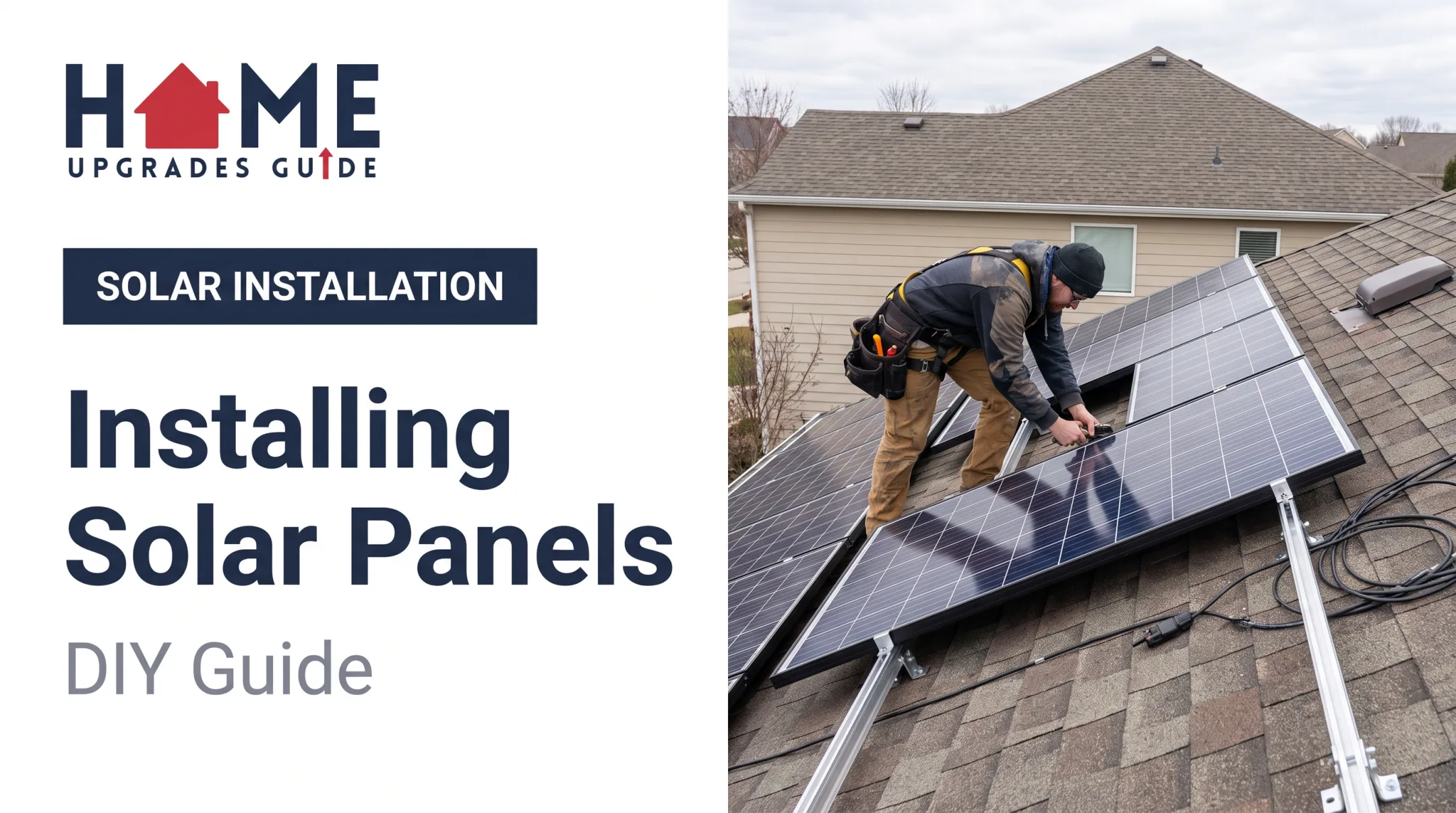
The Installation Crew's Work
On install day, the crew typically:
- Prepares the roof surface and mounts racking
- Secures panels and routes wiring
- Installs inverters and safety disconnects
- Connects the system to your home's electrical panel
How Long Does the Physical Solar Panel Installation Take?
On-site work commonly takes one to several days, but the exact duration depends on system size and site conditions.
EnergySage's 2024 report quotes a North Carolina-based installer describing typical scenarios:
- Standard rooftop system: about 1 day
- System with battery storage: 1-2 days
- Larger or more complex system: 2-3 days
Other factors that extend crew time:
- Ground-mounted arrays requiring trenching or site clearing
- Steep or difficult-to-access roofs
- Electrical panel upgrades needed before the system connects
- Structural reinforcement work on older roofs
What to Expect on Installation Day
- A crew arrives with equipment and materials, often requiring roof and attic access
- Some noise is normal: drilling and mounting hardware aren't quiet
- Your power may be briefly interrupted during the final electrical connection
- Weather can push the schedule; installers generally won't mount panels in rain or high wind
- A final walkthrough usually wraps up the day, covering what was installed and next steps
Finishing the physical install doesn't mean you can flip the system on. Grid-tied systems still need inspection and utility approval before normal operation. More on that below.
What Can Delay Installation and How Homeowners Can Prepare
Permitting and utility queues are the biggest wildcards. NREL's 2023 study found permit-to-final-inspection timelines averaging 51 business days under traditional review, compared to 38 business days where automated permitting software was used. Local backlogs, HOA approval requirements, and historic-district rules can add further time.

Property-Related Factors
- An aging or damaged roof that needs repair or replacement first
- An undersized electrical panel requiring an upgrade
- Tree removal or trimming for adequate sun exposure
- Ground-mount site prep, including trenching
- Prior unpermitted construction that complicates inspection
Project-Level Factors
- Installer scheduling capacity
- Equipment backorders, particularly for batteries
- Design changes after initial approval
- Weather delays
- Failed inspections requiring corrections and a re-visit
NREL's data also showed 17-24% of projects across studied jurisdictions failed at least one inspection, most often due to workmanship or code issues. Corrections, not just approvals, can add time.
Homeowner Preparation Checklist
- Gather recent utility bills to confirm usage and system sizing
- Confirm who the decision-maker is if multiple owners are on the deed
- Ask early whether your roof needs repair or replacement
- Review and approve designs quickly when sent
- Submit any requested documents without delay
- Check HOA or historic-district requirements before signing
- Stay in contact with your project coordinator throughout
Questions to Ask Before Signing
- What's the estimated date for each major milestone?
- Who files permits and utility paperwork: you or the installer?
- What could trigger a change order or added cost?
- What happens if an inspection fails?
- Who submits the final request for permission to operate?
What Happens After the Panels Are Installed?
Once the crew finishes, several approval steps remain before you're generating billable solar power.
The Post-Installation Sequence
- Installer quality check: verifying the system was built to spec
- Local inspection: a code official reviews the completed work
- Utility review or meter work: your utility may need to swap or reprogram your meter
- Interconnection approval: the utility confirms the system can safely connect to the grid
- Permission to operate: formal, written authorization to use the system
- Final commissioning: the system is activated for normal use
PG&E's homeowner guide describes this exact sequence, and its interconnection agreement is explicit: customers may not operate their system normally until they've received written permission, even if testing shows the panels producing power.

Battery-backed systems aren't the same as off-grid systems. Grid-tied systems with storage typically shut down during outages unless specifically designed to "island" the home, and they still require the same PTO process before full-time use.
What You Should Receive
- System documentation and equipment specs
- Warranty information for panels, inverters, and any batteries
- Monitoring-app login access
- Shutdown instructions for emergencies
- A service contact for future issues
First Steps After Activation
- Confirm your monitoring app is showing production data
- Compare early output against your installer's projected estimates
- Review battery settings if storage is included
- Keep permits and warranty paperwork somewhere accessible
- Contact your installer (not a DIY fix) if output looks abnormal
Frequently Asked Questions
How long does the actual solar panel installation take?
On-site work commonly takes one to several days. Exact duration depends on system size, roof complexity, battery storage, structural work, weather, and any required electrical upgrades.
Do solar panels work immediately after installation?
Panels can physically produce power once mounted, but grid-tied systems need inspection, utility interconnection approval, and written permission to operate before normal use begins.
Will a solar panel charge at night?
No. Panels require sunlight and stop producing power after dark. Homes with batteries can draw stored energy overnight, while grid-connected homes simply pull electricity from the utility.
What should I do after solar panels are installed?
Confirm inspection and utility approval are complete, set up your monitoring app, and compare early production against expectations. Keep permits and warranties on file, and contact your installer if results look off.
What can delay a solar panel installation?
Common causes include permitting backlogs, utility interconnection queues, weather, and equipment shortages. Roof or electrical repairs, design changes, installer scheduling gaps, and failed inspections can also push the timeline out.