
Introduction
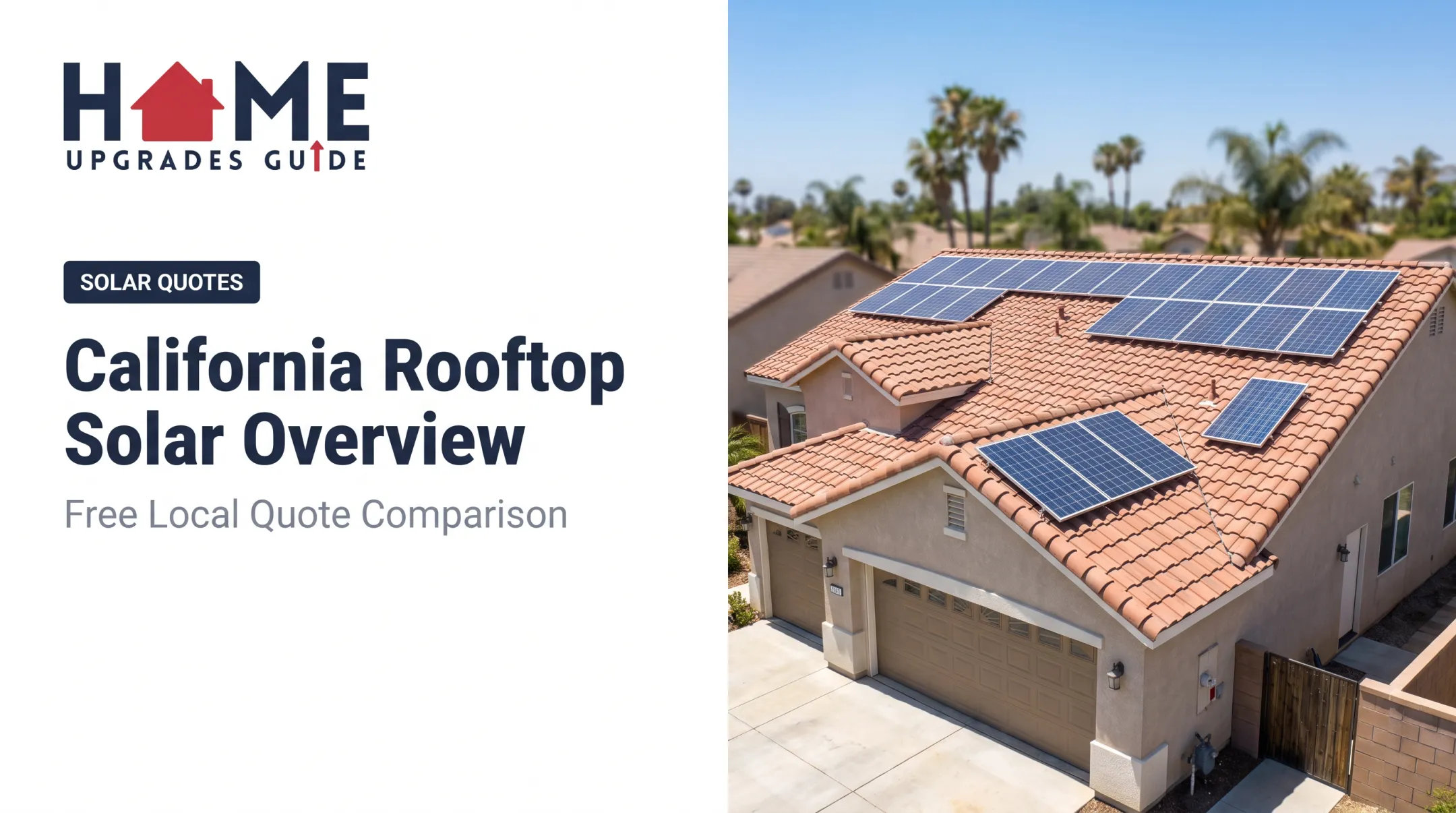
That unused roof area over your garage or back porch could be generating electricity right now. Instead, it's just collecting sun and shedding rain.
Rooftop solar turns that dead space into a power source, but the right setup depends on your specific roof, your utility's rules, your budget, and what you actually want to achieve. Many homeowners struggle with the same core questions:
- Can my roof actually support panels?
- What will this really cost after incentives?
- Will solar cover my electricity use, or just dent it?
- Should I consider solar shingles or a battery instead?
The median U.S. installed cost sat at $2.50 per watt before incentives in 2024, according to EnergySage's 2025 report. This guide walks through roof suitability, costs and benefits, panel versus shingle options, and how to vet a contractor.
Key Takeaways
- Rooftop solar performs best on structurally sound roofs with ample unshaded space and good sun exposure.
- Total project cost depends on system size, local rates, incentives, financing, and any roof repairs needed.
- Compare full proposals, not just panel prices: equipment, warranties, production estimates, and permitting all matter.
- Get a professional roof and site assessment before signing anything, especially on older or oddly shaped roofs.
Is Your Home a Good Fit for Rooftop Solar?
Solar panels contain cells that convert sunlight into direct-current (DC) electricity. An inverter then converts that DC power into the alternating current (AC) your appliances actually use. Any excess production can flow to the grid or charge a battery, depending on your system design.
That's the easy part. Whether your specific roof can support this process well is the question that actually matters.
What an installer should evaluate
A proper assessment looks at more than just "is there room up there." Expect a qualified installer to check:
- Roof age and remaining service life, including structural condition and existing damage
- Roof shape, usable area, orientation, and pitch
- Penetrations around vents, skylights, and chimneys that limit panel placement
- Load-bearing capacity for wind, snow, and seismic forces in your region
Shading matters more than compass direction
A south-facing roof sounds ideal on paper, but a mature oak tree 20 feet away can undo that advantage entirely. Shade from trees, neighboring buildings, dormers, and chimneys reduces production in ways a simple compass reading won't catch.
Ask for a site-specific shade and production analysis instead of relying on orientation alone. Solar performs well across most U.S. climates, but output still varies with seasonal sunlight, local weather, and your household's actual electricity consumption.

Consider the roof's remaining lifespan first
If your roof will likely need replacement within the panels' service life, handle that work before installation. Removing and reinstalling an array to accommodate a new roof adds real cost and real disruption.
Not every home is a fit. If your roof is heavily shaded, structurally unsuitable, rented, or poorly oriented, alternatives exist:
- Community solar subscriptions
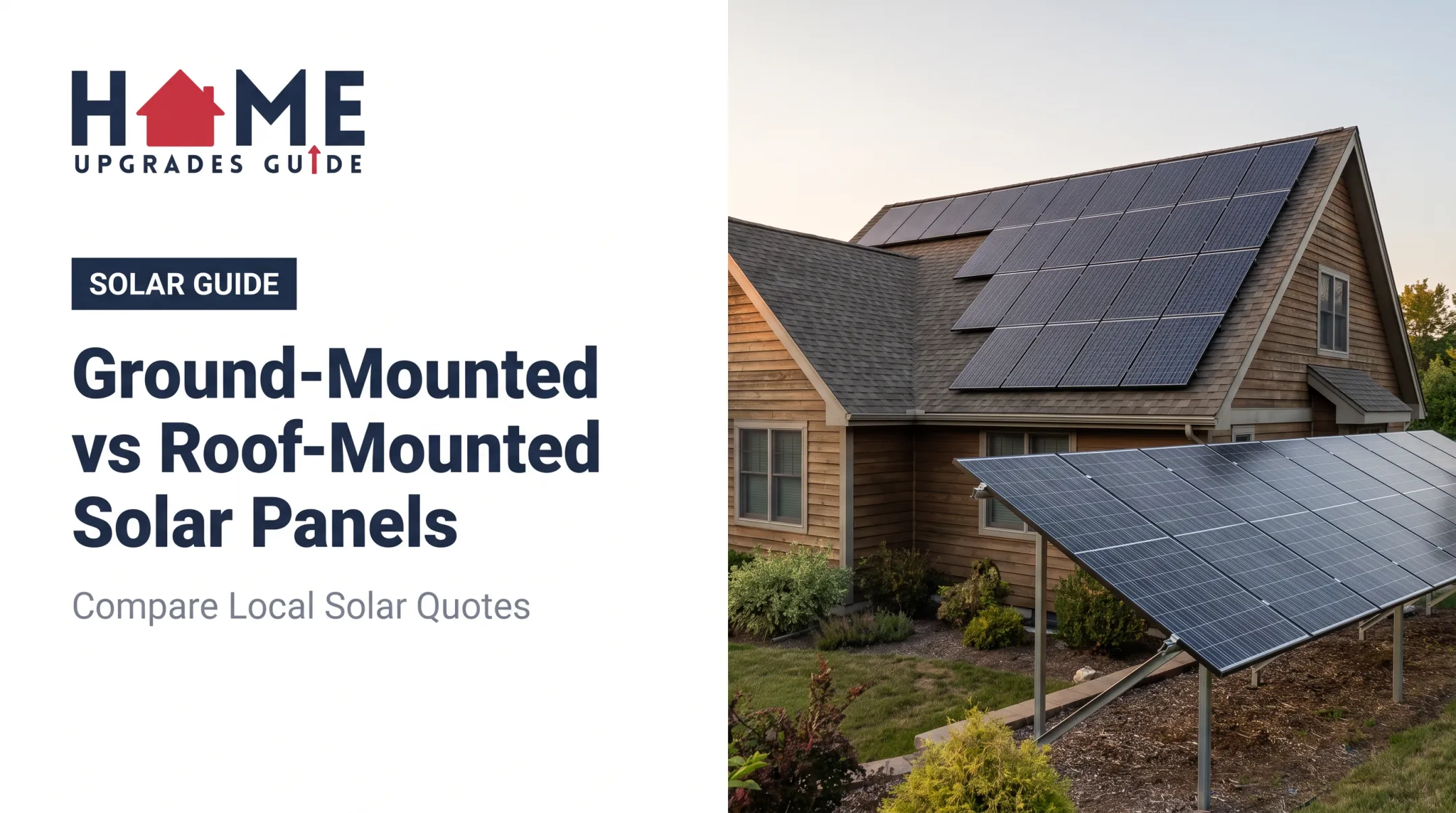
- Ground-mounted systems (if you have the land)
- Battery storage paired with reduced grid reliance
Availability and economics for these alternatives vary significantly by location and utility.
Rooftop Solar Benefits, Costs, and Financial Considerations
The appeal is straightforward: buy less electricity from the grid, gain more control over your energy costs, and add resilience when paired with storage. But the financial picture has several moving parts to weigh before you commit.
What actually drives the price
Your quote covers more than panels. Expect line items for:
- Panels, inverters, and racking hardware
- Design, permitting, and inspection fees
- Interconnection with your utility
- Labor, plus any roof repairs or electrical panel upgrades
- Monitoring equipment and optional battery storage
The 2024 median installed cost was $2.50 per watt before incentives, with a typical 11.5 kW system running around $28,750, per EnergySage's 2025 report. Your actual quote may differ based on roof complexity, local labor rates, and equipment choices.

Buy versus lease: know what you're signing
| Factor | Cash or Loan Purchase | Lease or PPA |
|---|---|---|
| Ownership | You own the system | Third party owns it |
| Tax credit eligibility | Yes | Typically no |
| Maintenance responsibility | Usually yours | Usually the provider's |
| Resale complications | Possible lien | Transfer approval often required |
| Long-term cost | Fixed after payoff | May include escalation clauses |
Read any lease or power purchase agreement closely for escalation clauses and transfer requirements before selling your home.
The federal tax credit has a deadline
The Residential Clean Energy Credit offers 30% for qualifying property installed through December 31, 2025. Systems placed in service afterward receive no credit, according to the IRS credit page. The credit is nonrefundable, though unused amounts carry forward to future tax years.
Check current state, utility, and local incentives too; eligibility and program availability change frequently.
What solar won't do
Be realistic about limitations:
- High upfront costs or long-term contract commitments
- Production that varies with weather and seasonal shade
- Possible roof work and equipment replacement over the system lifetime
- Export credits that can shift with utility policy
- Residual electric bills in most homes
Panel Types, Roof Options, and Solar Alternatives
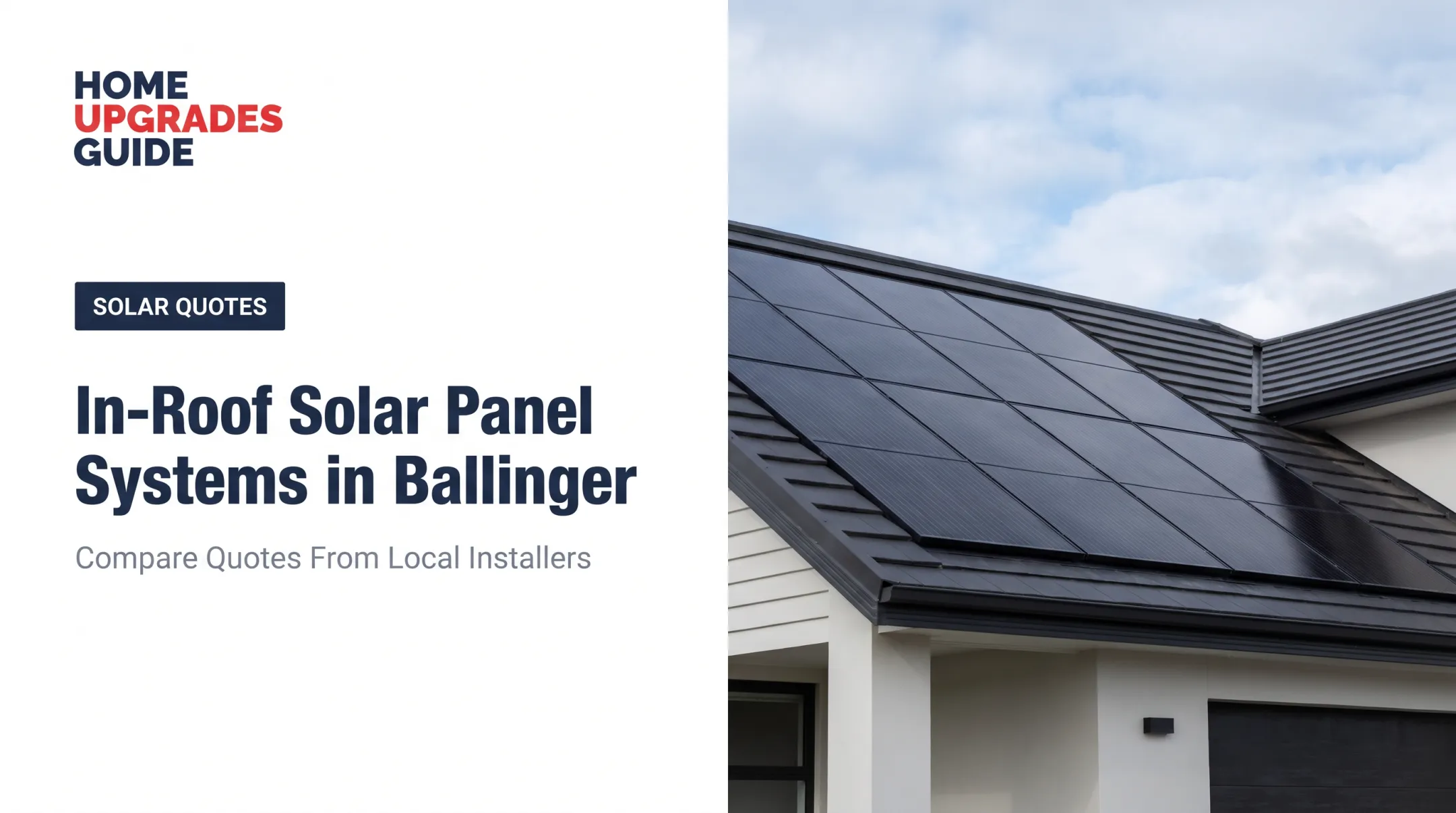
Standard framed panels sit on racks above your existing roof. Solar shingles integrate directly into the roofing surface itself. Each approach serves a different homeowner, and neither wins on every measure.
Panels versus shingles
| Factor | Framed PV Panels | Solar Shingles |
|---|---|---|
| Appearance | Visible array on racking | Blends into roofline |
| Installation | Broader roof compatibility | Roofing + electrical expertise needed |
| Cost | Lower installed cost per watt | Premium pricing for comparable output |
| Repairability | Individual panel swaps | More specialized service |
| Availability | Widely available | Geographically limited rollout |
A 2024 comparison found shingle products commanding a notable premium over conventional panels for similar output, per EnergySage's shingles review. That premium buys a cleaner look, not necessarily better performance.
Evaluating panel specifications
Skip the hunt for a single "best" panel. Instead, compare:
- Power rating and efficiency percentage
- Temperature performance and degradation rate
- Warranty length (product versus power output terms)
- Manufacturer support and track record
Specs vary by model and by your roof's actual conditions, so verified datasheets beat marketing claims every time.
Roof material changes the installation approach
- Asphalt shingle: Standard flashing and sealant methods apply
- Standing-seam metal: Nonpenetrating clamps may work, pending manufacturer approval
- Tile (clay or concrete): Requires tile-specific flashing systems
- Slate: Brittle material often needs removal and replacement during install, adding cost
- Flat roofs: Mechanical attachment, ballast systems, or a combination, engineered for wind loads
Where batteries fit
A battery stores midday production for evening use and can support backup loads during outages. It also helps manage time-of-use utility rates. That said, a battery alone doesn't make your home fully independent from the grid. Most systems still rely on grid power for extended cloudy stretches or heavy usage periods.
Not every roof needs to carry panels
If your roof is shaded, structurally compromised, rented, or space-constrained, ground-mounted systems or community solar may fit better.
Before comparing bids, look past sticker price per panel:
- Appearance and available roof area
- Expected production and roof longevity
- Maintenance access and local approvals
- Total installed cost
How to Plan Installation and Compare Solar Contractors
The typical path from first call to flipping the switch runs through several distinct stages.
The installation process, step by step
- Review utility bills and goals to understand your actual consumption patterns
- Complete a roof and site assessment covering structural condition and shading
- Size the system based on production estimates and household needs
- Receive a written proposal with equipment specs and pricing
- Verify permits and utility interconnection requirements
- Schedule installation, usually completed in one or two days
- Pass final inspection and receive permission to operate from your utility

The full process commonly takes 60-90 days including permitting and activation, though local delays can stretch that timeline further.
Vetting a contractor before you sign
Run through this checklist before committing to any proposal:
- Valid licensing and insurance for your state
- Demonstrated solar-specific experience, not just general construction
- Verifiable references from recent customers
- Clear workmanship warranty separate from equipment warranties
- Transparency about subcontractors doing the actual work
- A track record free of unresolved complaints
- Clarity on who handles permits and utility interconnection
Comparing proposals apples-to-apples
Line up each bid on the same criteria:
- Estimated annual production and system size
- Specific panel and inverter models
- Roof work included
- Payment schedule and financing terms
- Warranty coverage
A lower upfront price sometimes hides weaker equipment or a slower, less complete installation.
Red flags worth walking away from
According to the FTC's consumer guide on solar power, watch for these common warning signs:
- Pressure to sign immediately, with no time to review
- Guaranteed savings claims made without reviewing your actual bills
- Promises that incentives are guaranteed regardless of your situation
- Vague production estimates or unclear system ownership
- Unusually low bids compared to other quotes
- Requests for large payments before any work begins
If you'd rather compare options without the legwork of vetting contractors yourself, HomeUpgradesGuide's solar matching process connects you with vetted local professionals. Quote requests take about two minutes with no spam calls, and you decide who to contact and when.
Whatever route you take, confirm current details with your utility, a tax professional, your local permitting authority, and your insurer before signing anything binding.
Frequently Asked Questions
How expensive is a solar roof?
Price depends on system size, roof complexity, equipment choice, battery add-ons, electrical work, local labor rates, and available incentives. Compare current written quotes rather than relying on national averages alone.
Can rooftop solar panels power a house?
A properly sized system can produce much or most of a home's annual electricity needs. Actual output depends on available sunlight, roof space, usage patterns, utility rules, and whether storage or grid backup is part of the setup.
Are solar shingles as good as solar panels?
Shingles offer a sleeker, integrated look but typically cost more per watt and have a more limited installer network. Panels usually cost less and offer broader roof compatibility; neither option is universally better.
Which solar panel is best for rooftops?
The best choice depends on your roof space, shading, climate, budget, and production needs. Compare verified specifications and complete system proposals rather than chasing a single "best" brand.
How long do solar shingles last?
Check current manufacturer warranty and degradation data, since product life and warranty length aren't the same thing. Installation quality and underlying roof condition also affect long-term performance.
Can I use solar panels as a patio roof?
Solar panels can sometimes be incorporated into patio-cover or carport designs, but the structure must support the system's weight and meet local electrical, waterproofing, and permitting requirements. Check with your local building department before assuming standard rooftop rules apply.