
It's not a small decision. A typical residential solar project already ran a median of $2.50 per watt in 2024, with an 11.5 kW system costing roughly $28,750 before incentives, according to EnergySage's 2024 data. Layer roof-integration work on top, and the math gets more complicated.
This guide covers how in-roof systems work, their real advantages and trade-offs, what drives cost, whether your roof can support one, and the questions to ask before you sign a contract.
Key Takeaways
- In-roof panels generate electricity the same way rack-mounted panels do; the difference is integration, not technology.
- These systems fit best during new construction or a planned reroof, not necessarily a retrofit onto a sound roof.
- Roof condition, shading, orientation, and your installer's written proposal matter more than appearance alone.
- Compare itemized quotes covering equipment, electrical work, roofing, permits, batteries, and warranty terms.
What Are In-Roof Solar Panels and How Do They Work?
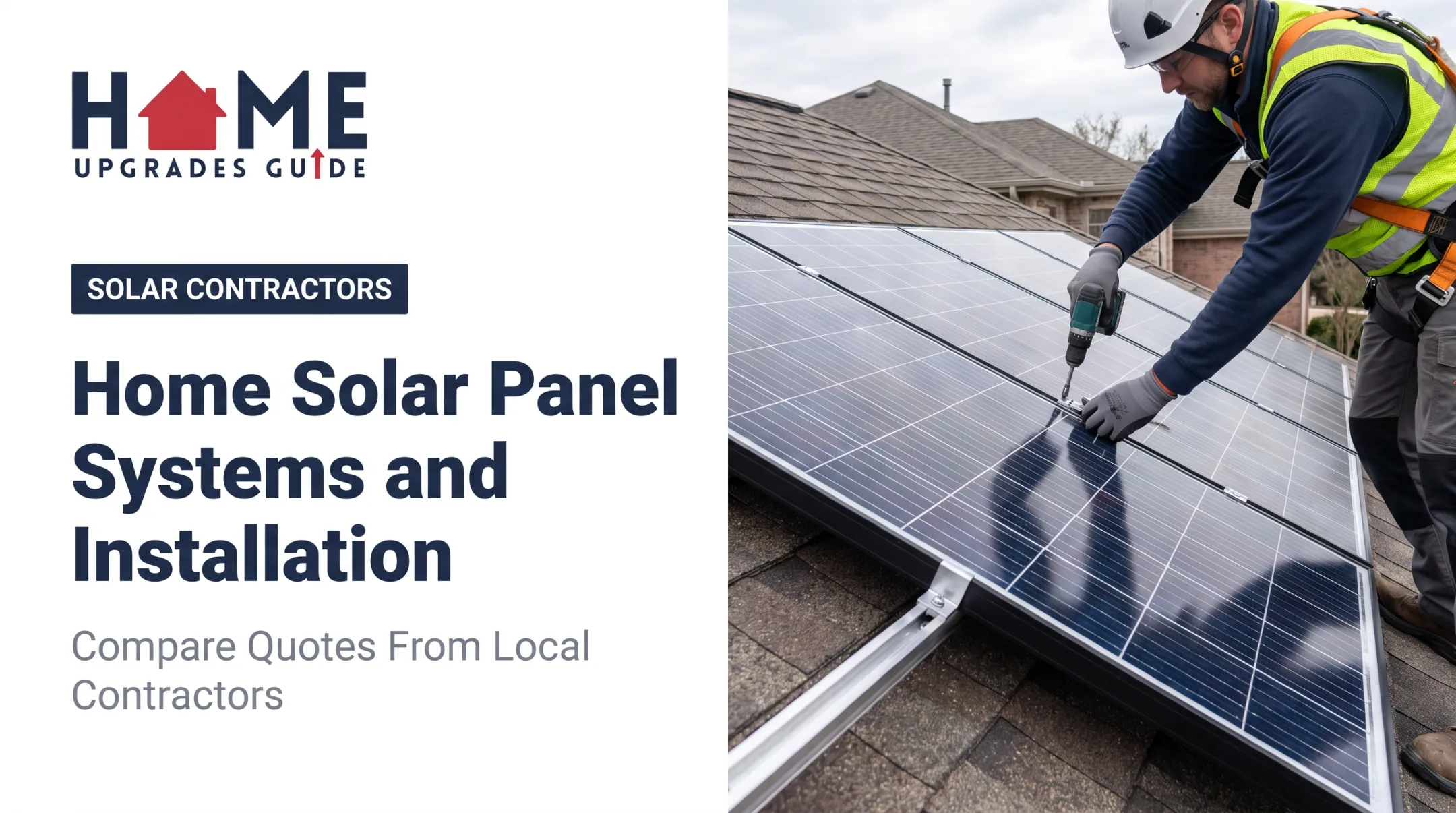
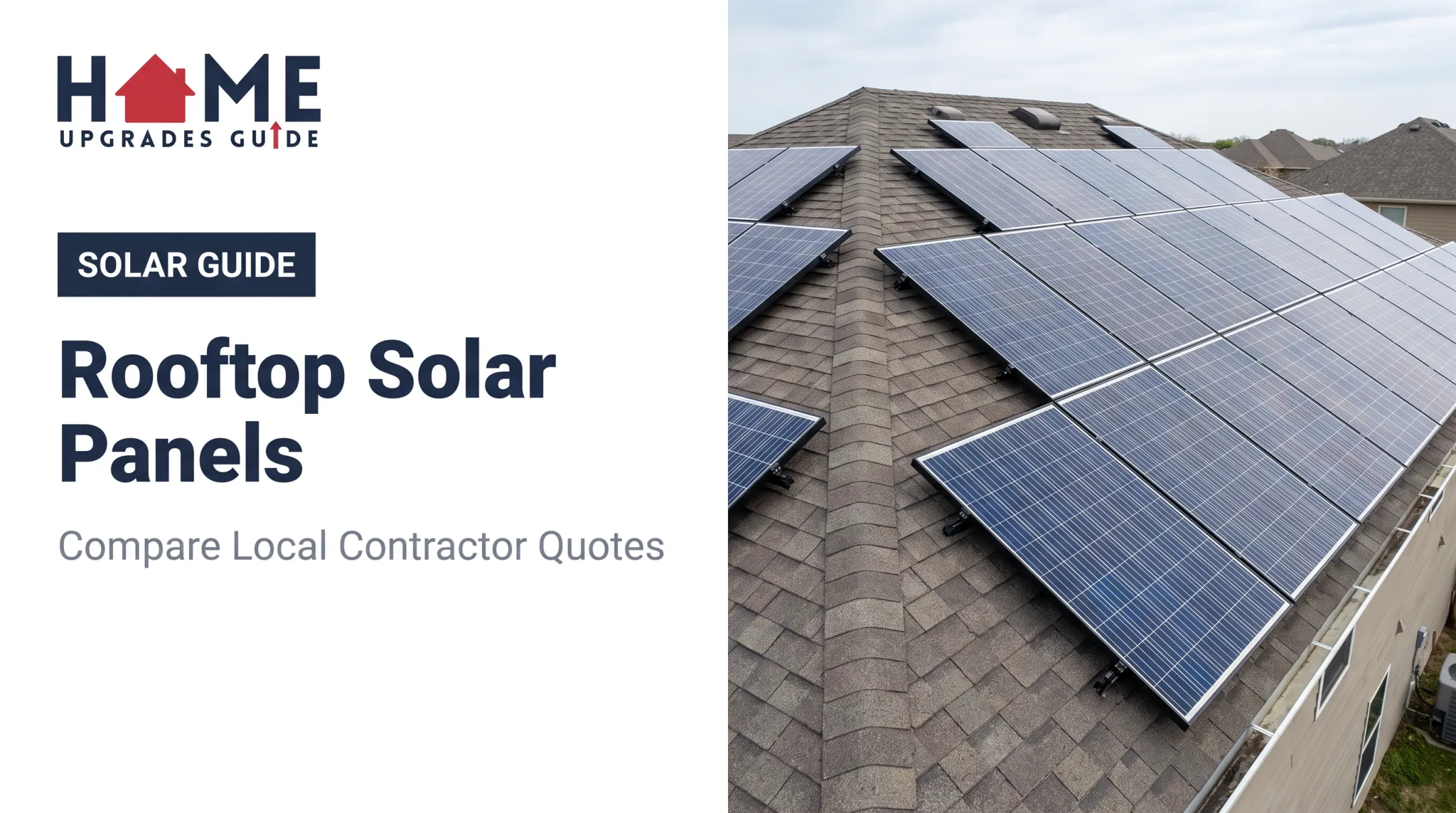
In-roof solar panels replace selected tiles or shingles with photovoltaic modules, sealed into the roof structure using support trays, flashing, and waterproofing strips sized to fit the gap left by the removed roofing material. The panels sit flush with the surrounding roof plane, rather than mounted several inches above it on rails.
The Photovoltaic Process in Plain Terms
Sunlight hits the solar cells inside each panel, which generates direct-current (DC) electricity. An inverter then converts that DC output into the alternating-current (AC) electricity your home actually uses, per the Department of Energy's solar technology basics. In-roof and traditional rack-mounted panels rely on the same core generation principle. The real differences show up in integration method, airflow beneath the modules, roof detailing, and installation complexity, not the solar cells themselves.
System Components You're Paying For
A complete in-roof installation typically includes:
- PV modules integrated into the roof deck
- Support trays, flashing, and waterproofing strips sized to the roof gap
- Wiring, conduit, and rapid-shutdown devices
- An inverter (or microinverters) to convert DC to AC
- Disconnect switches and production monitoring equipment
- Optional battery storage
What Happens When the Grid Goes Down
Generated electricity powers household loads first, with any surplus sent to the grid under applicable net-metering rules or stored in a battery if one's installed. Here's the part homeowners often assume incorrectly: a standard grid-tied solar system, in-roof or not, typically shuts off automatically during a utility outage unless it's specifically designed with battery backup, according to DOE's grid services guidance. Permitting and inspection also need to happen before any system receives permission to interconnect with the grid.

What Are the Advantages and Disadvantages of In-Roof Solar Panels?
Where In-Roof Panels Make Sense
The main draw is appearance. Panels sit closer to the roof plane, creating a more uniform look than raised, rack-mounted arrays with visible rails and gaps underneath. That visual payoff still depends on your roof material, panel layout, roof shape, and whether wiring stays hidden.
In-roof systems make the most financial sense when you're already replacing the roof or building a new home. Roofing, flashing, scaffolding, and electrical work are already coordinated on site, so adding solar integration is incremental rather than a separate job.
Retrofitting an in-roof system onto an otherwise sound roof means tearing out good roofing material just to install panels. That's extra labor without replacing anything that actually needed replacing.
The Trade-Offs Worth Weighing
Potential practical benefits, which vary by product:
- Removes the exposed roof covering directly beneath the array
- Can reduce gaps where birds or debris collect under raised panels
- Some designs, including Viridian's Clearline Fusion, claim roof covering can be maintained without dismantling the array (verify per product; not universal)
Drawbacks worth asking about:
- More involved roof work, including selective tear-off, structural checks, and precise flashing
- Compatibility limits tied to roof material and pitch (one manufacturer's tray system, for example, lists a 12-to-50-degree pitch range)
- Waterproofing that needs careful execution; a poor seal can hide leaks better than a rack-mounted system
- Repairs can require more access work since the panel is part of the roof assembly itself
- Roofing and electrical trades need to coordinate closely, which can complicate scheduling and warranty responsibility
On durability, published numbers don't support a blanket claim either way. One in-roof mounting system carries a 10-year manufacturer guarantee. A representative in-roof PV module carries a 15-year product warranty, with output still guaranteed at 90% in year 10 and 80% at year 25.

Those figures sit in the same range as general solar panel warranty guidance, not evidence that in-roof systems degrade faster or slower than rack-mounted ones.
Decision rule: In-roof solar tends to suit homeowners prioritizing appearance or already committed to roof work. Traditional rack-mounted panels tend to suit homeowners who want a simpler retrofit, broader product choice, and easier future panel replacement.
How Much Do In-Roof Solar Panels Cost?
A full project bill can cover more than the panels themselves:
- Solar panels, inverters, mounting trays, and flashing
- Electrical upgrades, labor, permits, and inspection fees
- Monitoring equipment and optional battery storage
- Roof repair, or removal and replacement of existing roofing around the array
No published source breaks out a specific in-roof price premium. The $2.50/W median mentioned earlier is a general-market benchmark, and it doesn't confirm whether battery storage or roof work is included. Treat it as a reference point, not a quote for a roof-integrated project.
Incremental Cost vs. New Roof Cost
If you're already reroofing or building new, the incremental cost of going in-roof mainly covers panels, trays, flashing, and electrical work layered onto a job you're already paying for. Retrofitting onto an otherwise sound roof adds the cost of removing and disposing of good roofing material you wouldn't otherwise touch.
Factors that move your quote:
- System size and expected annual production
- Roof area, pitch, and number of roof planes
- Roof material compatibility with the chosen in-roof product
- Structural or electrical panel upgrades needed
- Shading and site access, including steep or multi-story roofs
- Equipment brand and tier selection
- Local permitting and labor rates
- Battery capacity, if storage is included
Incentives and Payback
The federal IRS Residential Clean Energy Credit covers 30% of qualifying solar property costs for systems installed through December 31, 2025.
IRS guidance notes that solar property functioning as roofing can qualify. Components that serve only a structural or roofing purpose, such as decking and rafters, generally don't count toward the credit.
Check your state and utility programs too. Eligibility, deadlines, and treatment of roof-related costs vary by location.
For payback, compare your net project cost after incentives against expected on-site savings and any export compensation. Don't take an installer's "payback period" at face value.
Ask what assumptions about utility rates, production estimates, degradation, maintenance, and financing went into that number. Any of those shifting changes your actual break-even point.
Will Your Roof Support an In-Roof Solar System?
Start with a professional roof assessment covering:
- Roof age and remaining service life
- Existing leaks, damaged shingles or tiles, or deteriorated underlayment
- Condition of rafters, trusses, battens, or decking
- Flashing condition around chimneys, vents, and valleys
- Your home's electrical service capacity
Roofing professionals generally recommend reroofing before installing solar if your covering is due for replacement within the next 5 to 10 years. Installing over roofing that needs replacing soon just means redoing the work later, at added cost.
Even a structurally sound roof still needs the right site conditions. Factors that shape system size and output include:
- Orientation and pitch
- Usable roof area
- Nearby trees, chimneys, and neighboring structures
- Seasonal shade patterns
A generic panel-count estimate isn't a substitute for a site-specific solar design based on your actual roof.
Typical installation sequence:
- Design and permitting based on your roof and electrical service
- Selective removal of existing roof covering in the array area
- Preparation of roof structure, underlayment, and flashing
- Installation of waterproofing components and panel mounting trays
- Panel placement and electrical connections
- Inspection and utility interconnection approval

Permits, utility interconnection rules, fire-code access requirements, historic-district restrictions, and HOA rules vary by city and state. Confirm all of them before work starts.
Have appropriately licensed, insured trades handle the roofing and electrical work, and spell out responsibilities in the contract rather than relying on a verbal understanding.
How Should You Compare In-Roof Solar Systems and Contractors?
Compare in-roof and traditional proposals using the same assumptions:
- System size and estimated annual production
- Equipment and battery capacity
- Roof work included
- Warranties and maintenance terms
- Financing, utility compensation, and completion schedule
A lower headline price on an apples-to-oranges quote tells you nothing.
Questions to ask every contractor:
- Who performs the roofing work, and who handles the electrical work?
- What roof repairs, if any, are included in this price?
- How will water intrusion be prevented, and later verified?
- Which permits and utility interconnection approvals are included?
- What happens if the roof needs repair under the array five or ten years from now?
Warranties aren't one document. Separate each of these:
- Product warranty on the panel
- Performance warranty on output at year 10 and year 25
- Workmanship warranty on installation labor (typically 10 to 25 years)
- Any roof-integration warranty
- Inverter and battery warranties (often shorter than the panel warranty)
Ask who handles a claim under each one, and whether labor, removal, or reinstallation costs are covered.
Verify licensing, insurance, and relevant solar or electrical credentials for every contractor bidding on the job, plus references and complaint history. Ask specifically about their experience with roof-integrated systems. Installing rack-mounted panels and installing an in-roof assembly aren't the same skill set, and one credential on a business card doesn't guarantee quality work.
Getting more than one quote is how you put those checks to work. HomeUpgradesGuide lets you enter your zip code and request a free solar panel quote in about two minutes, then compare matches from vetted local contractors side by side. You decide who to talk to and when: no spam calls or emails, and no phone calls until you're ready.
Get written, itemized proposals from each contractor, and avoid choosing based on the lowest headline price or a rosy savings projection alone.
Frequently Asked Questions
How much do in-roof solar panels cost?
Price depends on system size, roof condition, labor, permits, electrical work, and whether roof replacement or battery storage is included. Compare itemized local quotes and check current federal, state, and utility incentives before assuming a figure.
Are in-roof solar panels better than traditional rooftop panels?
In-roof systems can offer a cleaner appearance and often make the most sense during a planned roof replacement. Traditional rack-mounted panels tend to be simpler for existing-roof retrofits, with suitability ultimately depending on your priorities and site conditions.
Can solar panels run appliances like a refrigerator or an air conditioner?
Solar can power household appliances whenever the system is producing enough electricity for the load. Battery storage, system sizing, and your grid connection determine how well those appliances are covered at night or during a power outage.
Does solar have to be on the roof?
No. Solar can also go on the ground, carports, garages, sheds, or other suitable structures, depending on available space, shading, structural requirements, permits, and local rules.