
Three changes have reshaped the decision in recent years:
- Export compensation now works differently under the state's Net Billing Tariff
- Battery storage has shifted from optional add-on to a genuine financial variable
- Federal and state incentives have changed eligibility windows and funding status
This guide walks through how solar actually works on a California roof, what NEM 3.0 means for your bill, and how to compare contractor quotes without assuming your neighbor's payback period applies to you.
Key Takeaways
- NEM 3.0 rewards using solar power at home more than exporting it, so self-consumption timing matters
- Batteries aren't mandatory, but they can shift midday production into costly evening hours
- Roof age, shading, panel capacity, and usage patterns all change your actual savings
- Compare at least three written proposals that separate equipment, labor, financing, and battery costs
- Treat incentive eligibility as conditional, not guaranteed, until confirmed for your specific situation
Why California Homeowners Are Still Considering Rooftop Solar
The core motivations haven't changed much:
- Cutting reliance on utility power
- Generating clean energy onsite
- Hedging against future rate hikes
- Adding backup resilience when storage is included
What's different is how much those benefits depend on your household's specific electricity habits.
The strongest cases usually involve high daytime usage or a long enough stay to capture payback. That includes households with:
- Electric vehicles charged during work-from-home hours
- Heat pumps or air conditioning running through hot afternoons
- Home offices or businesses with daytime electrical loads
- Plans to stay in the home for 10+ years or more
Electricity Prices Still Favor Solar, With Caveats
California residential electricity averaged 33.61 cents per kWh in July 2026, according to EIA's electricity data. That's high by national standards, which is exactly why offsetting grid purchases still matters.
But prices don't move in one direction. PG&E and SDG&E both posted year-over-year rate decreases in early-to-mid 2026. Don't model your solar payback assuming perpetual rate escalation; use your actual current tariff instead.
The NEM 3.0 Legal Fight Is Over, For Now
California's reduced export-compensation framework faced a court challenge that reached the state Supreme Court. According to pv magazine's coverage, the court declined further review in June 2026, leaving the Net Billing Tariff in place.
If you're on an older NEM 1.0 or 2.0 arrangement, your legacy billing terms generally still apply. New applicants fall under NBT rules instead. Your interconnection date, not your installation date, usually determines which framework governs your bill.
How Rooftop Solar Works—and What Your Home Needs
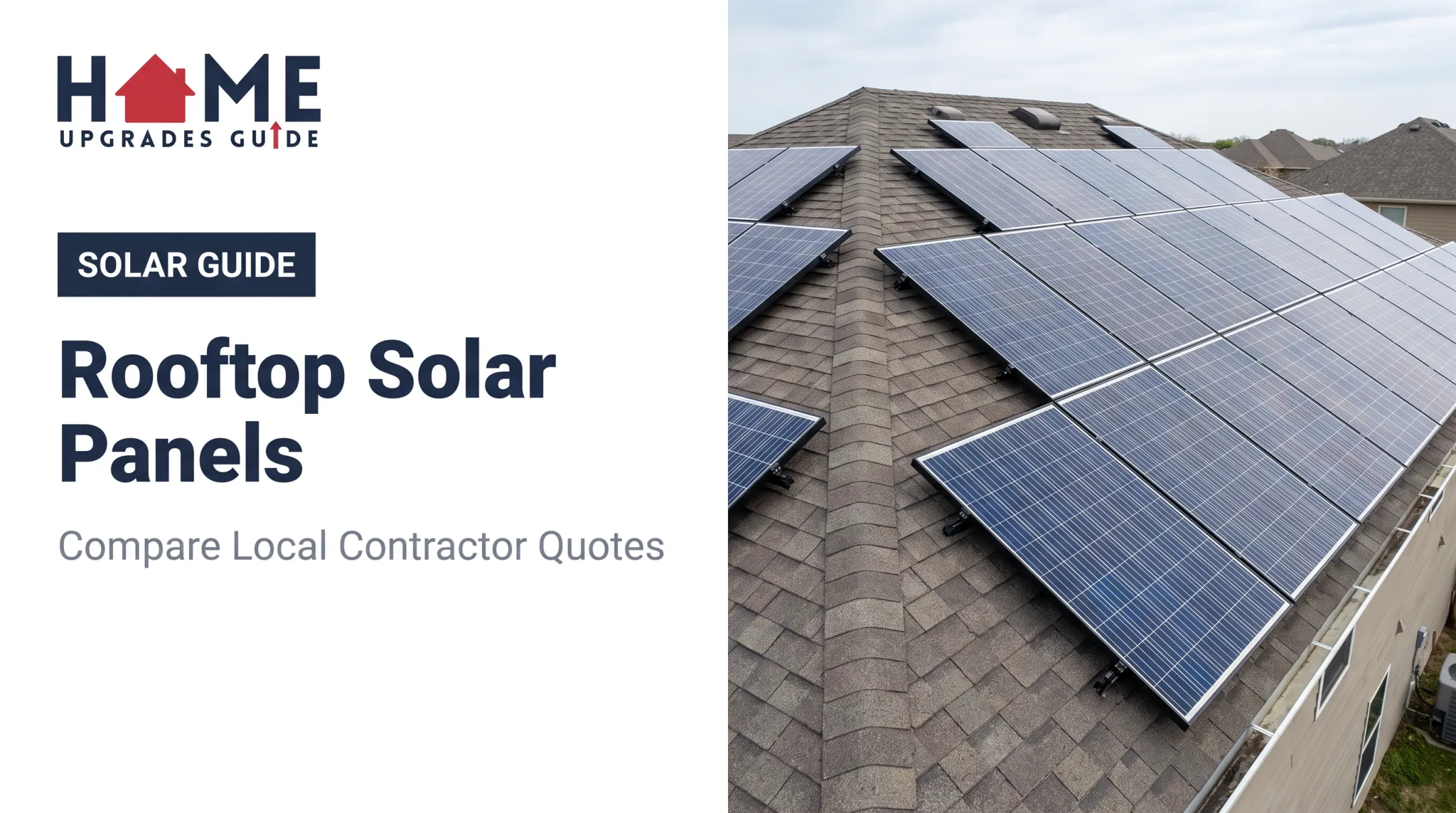
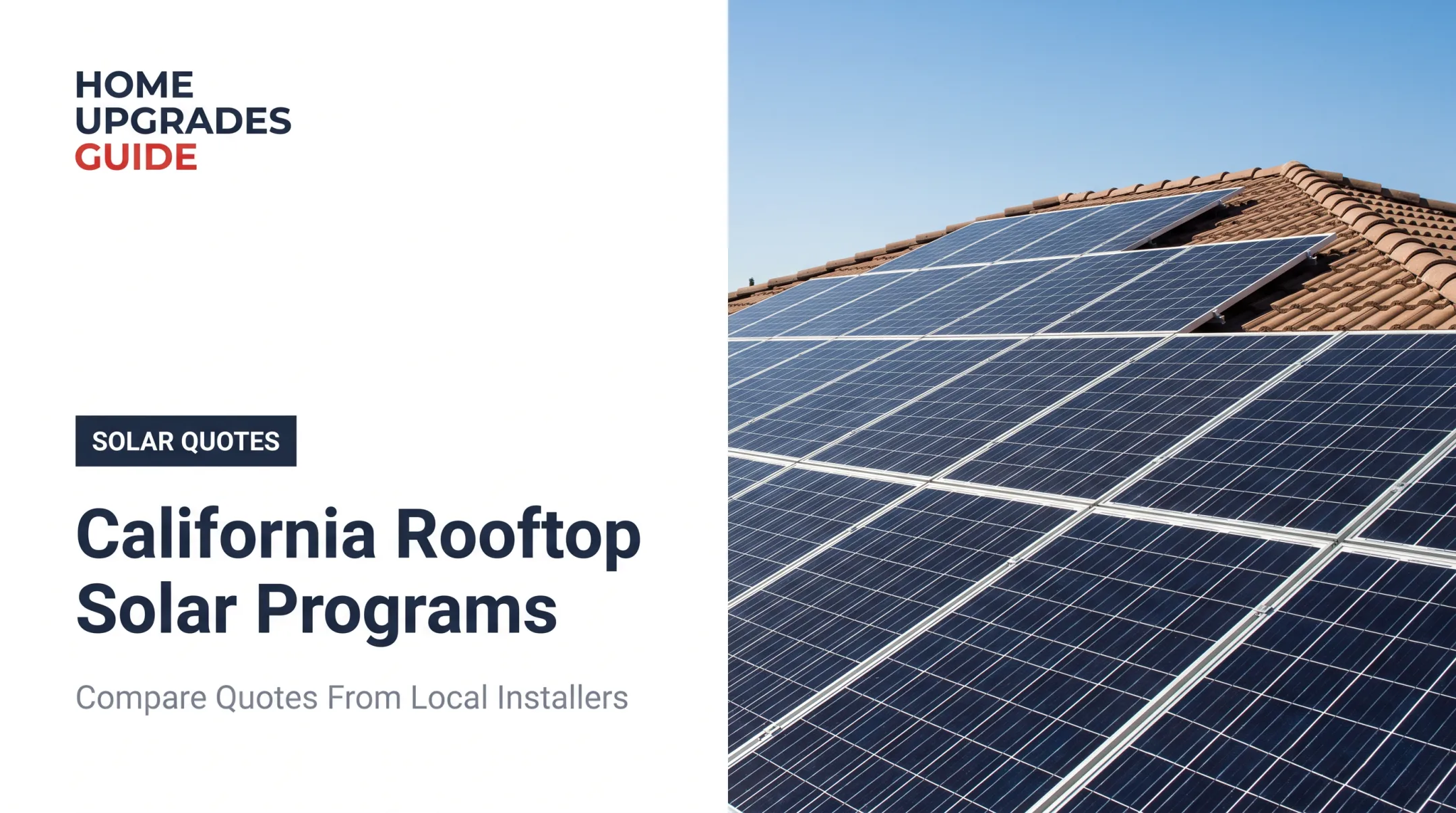
Solar panels generate direct-current electricity. An inverter converts that DC power into the alternating current your home actually uses. Whatever you don't consume immediately exports to the grid or, if you have a battery, charges storage.

What an Installer Should Assess On-Site
A proper site assessment goes beyond "how much sun hits your roof." Expect an installer to review:
- Roof age, material, and remaining lifespan
- Orientation, pitch, and available usable area
- Shading from trees, chimneys, or neighboring structures
- Structural condition and load capacity
- Electrical panel capacity and any needed upgrades
- Local permitting requirements and HOA restrictions
Matching System Design to How You Actually Use Power
A household that runs the air conditioner all afternoon has different solar needs than one that comes home at 6 p.m., cooks, charges an EV, and runs laundry overnight. The first home uses power while panels are producing it. The second exports more midday and imports more later.
This distinction matters more under NEM 3.0 than it ever did under retail-rate netting. Ask your installer to model your actual hourly usage pattern, not just an annual kWh total.
Be skeptical of any proposal built around a generic "offset percentage" alone. Accurate production estimates should factor in:
- Shading and local weather patterns
- Equipment losses between panels and your meter
- Expected panel degradation over time
- Future load changes, such as an EV or added appliances
- Utility interconnection limits on system size
Grid-Tied, Storage, and Backup Aren't the Same Thing
Standard grid-tied solar systems shut down during a grid outage for safety reasons (anti-islanding). Panels alone generally will not power your home when utility electricity goes out.
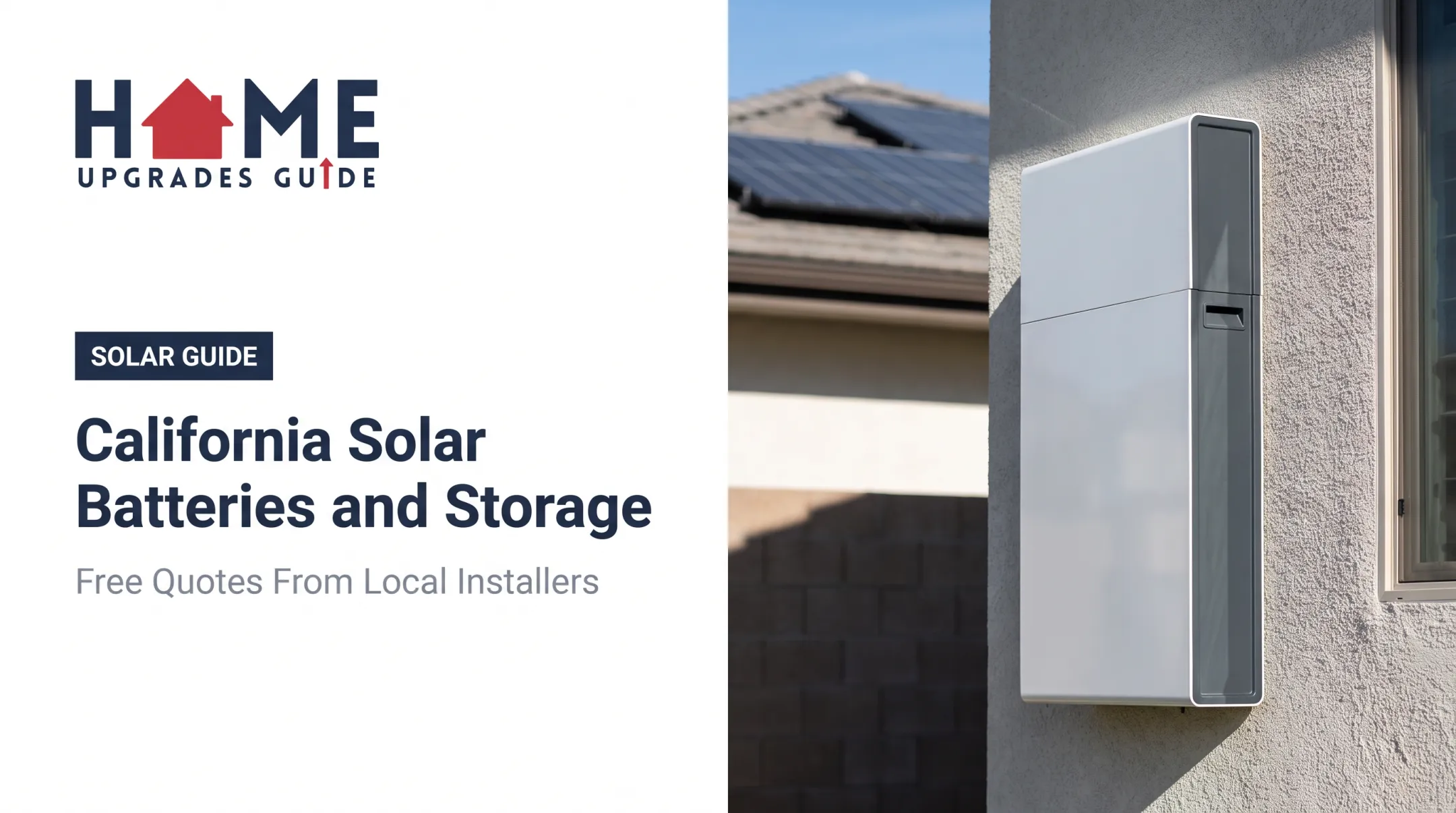
Battery storage is not the same as backup. Storage can shift midday solar to evening use under NEM 3.0. Backup requires storage configured to island from the grid and run critical loads during outages.
Before requesting quotes, gather:
- Recent utility bills (ideally 12 months)
- Your current rate plan name
- Any planned roof replacement
- Expected EV or major appliance additions
- Backup-power priorities, if any
How NEM 3.0 and Battery Storage Change the Financial Picture
Net energy metering is the system that credits you for electricity your panels export to the grid. Under NEM 3.0, officially called the Net Billing Tariff, that credit generally runs below the retail rate you pay for imported power. It can occasionally exceed retail pricing during high-demand summer evenings.
| Tariff | Who it applies to | How exports are valued |
|---|---|---|
| NEM 1.0 | Legacy customers, pre-2016 enrollment | Retail-rate credit (closed to new applicants) |
| NEM 2.0 | Applications before April 15, 2023 | Retail-rate credit with added fees |
| NEM 3.0 (NBT) | Applications from April 15, 2023 onward | Hourly, avoided-cost-based credit |
Why Self-Consumption Now Matters More
Under the old framework, exporting a kWh at noon and buying one back at 7 p.m. was roughly a wash. Under NBT, that trade usually costs you money, since export credits typically sit well below what you'd pay to import power later.
Using solar as it's generated, or storing it for later use, usually delivers more value than exporting it outright.

Where a Battery Actually Fits
A battery can shift midday production into expensive evening hours and support selected backup loads during outages. But battery value isn't universal. It depends on:
- Usable capacity versus total capacity
- Power output and round-trip efficiency
- Warranty terms and cycling limits
- Installation and equipment costs
- Your household's actual evening usage
Ask for a solar-only quote and a solar-plus-storage quote side by side. Don't assume storage pencils out just because it's commonly paired with new systems.
Incentives Are Real, But Conditional
The federal residential solar tax credit ends for expenditures after December 31, 2025, so a new 2026 installation shouldn't be priced assuming that credit applies.
State-level programs like the Self-Generation Incentive Program exist for qualifying low-income households, but funding availability varies by utility and application timing.
Don't deduct an incentive from your expected cost until you've confirmed eligibility and funding status for your specific project.
Every quote should separate:
- Cash price versus financed price
- Loan term, interest rate, or lease/PPA terms if offered
- Estimated annual production and export assumptions
- Battery price, if included
- Maintenance expectations and warranty coverage
- Projected savings, including sensitivity to rate changes
Payback estimates are projections, not guarantees. Review the escalation rate, degradation assumption, and warranty coverage behind any number you're shown. Ask what happens to financing if you sell the home.
How to Evaluate Solar Contractors and Compare Quotes
Choosing a contractor on price alone is how homeowners end up with underperforming systems or unclear warranty obligations. A proper vetting process looks at more than the bottom-line number.
Contractor Vetting Checklist
Before signing anything, verify:
- Active California contractor's license with relevant classification
- Current insurance coverage
- Solar-specific installation experience and permitting history
- Customer references you can actually contact
- Workmanship warranty separate from equipment warranties
- Clear complaint-resolution procedures
CPUC's consumer guide recommends getting bids and references from at least three providers before deciding. Three comparable bids help you spot inflated production estimates or missing scope items.

What a Proper Proposal Includes
A complete written proposal should specify:
- System size, panel model, and inverter model
- Battery specifications, if applicable
- Production estimate methodology
- Roof attachment and electrical work details
- Permitting and interconnection responsibilities
- Installation timeline and payment schedule
- Warranty terms for workmanship and equipment
- Monitoring and post-installation support
Red Flags Worth Walking Away From
- Pressure to sign before you've read the contract
- Guaranteed savings figures with no supporting assumptions
- Unexplained dealer fees buried in financing paperwork
- Vague production estimates without hourly or monthly detail
- Unusually large upfront deposits
- Claims that a battery is mandatory for every home
Comparing multiple quotes is where this checklist pays off. HomeUpgradesGuide is a quote-comparison resource: you share project details and an address, then get matched with vetted local solar contractors serving your area.
You choose which contractors to contact and when, with no spam calls and no resold contact lists. The service doesn't install systems or guarantee a specific quote; it makes side-by-side comparison easier.
Before requesting proposals, ask each contractor to model your actual utility rate, usage pattern, roof conditions, and battery preferences, not a generic template.
Alternatives and Practical Considerations Beyond Traditional Rooftop Solar
Not every home is a fit for a full rooftop system. A few alternatives still deserve a look.
Plug-in or "balcony" solar has gained legislative attention in California. These small-scale systems target renters, accessory dwelling units, and homes with unsuitable roofs.
They typically offer lower output, different permitting paths, and different safety and backup characteristics than professionally installed rooftop arrays. Verify current legal status, certification requirements, and utility procedures before relying on one, since implementation timelines can shift.
Other options to consider:
- Community solar lets you subscribe to a shared project instead of installing panels, useful if your roof won't work for solar at all
- Efficiency upgrades (insulation, better windows, smart thermostats) can reduce the system size you need in the first place
- Load shifting (running appliances during solar production hours) improves self-consumption without new equipment
- Battery-only systems add backup power without generation, relevant for homes prioritizing resilience over bill savings
None of these should be treated as interchangeable with a full rooftop installation. Each comes with its own cost structure and limitations.
Frequently Asked Questions
Is rooftop solar still worth it in California in 2026?
It can still make sense, but the answer depends on your utility, rate plan, electricity use, roof conditions, system price, financing, and how long you'll stay in the home. There's no universal payback figure anymore.
What is NEM 3.0 in California?
NEM 3.0, officially the Net Billing Tariff, changed how exported solar power is credited, generally valuing it below the retail rate you pay for imported electricity. It makes self-consumption, time-of-use planning, and storage more financially relevant than under older NEM rules.
Do I need a battery with rooftop solar in California?
No, a battery isn't universally required, but it can improve evening energy use and provide backup power under current export-credit rules. Compare a solar-only quote against a solar-plus-storage quote before deciding.
How much can rooftop solar save on a California electricity bill?
Savings vary based on system production, household consumption, your utility's rate structure, export compensation, financing costs, and available incentives. Request a site-specific estimate rather than relying on a generic percentage.
What should I look for when choosing a California solar installer?
Verify active licensing and insurance, compare at least three detailed written proposals, and review warranties, references, and permitting responsibilities. Avoid any installer using high-pressure tactics or promising guaranteed savings.