
Many business owners underestimate this. They treat solar like a home improvement project, when it actually demands licensed electricians, structural engineers, and documented utility coordination from day one.
A rushed or improvised install creates real problems: lower energy output, roof leaks, electrical hazards, delayed permission to operate, and voided warranties. Delaware's building, electrical, and utility rules add another layer of complexity to get right.
This guide walks through the full process — feasibility checks, design, permitting, installation, inspection, and performance validation — so you know what a properly executed commercial project actually looks like.
Key Takeaways
- Commercial solar installation requires coordination among the building owner, contractor, engineers, code officials, and the utility
- Roof condition, structural capacity, and electrical service must be reviewed before any equipment is ordered
- Delaware incentives, SRECs, and net-metering rules shift often; verify current terms before comparing bids
- Permission to operate, not panel mounting, marks the true finish line for the project
Commercial Solar Panel Installation Guide for Delaware
How the Process Unfolds
Every commercial solar project in Delaware moves through the same broad sequence, even though the specifics vary by site:
- Feasibility assessment: roof, structural, electrical, and energy-use review
- System design: engineering the array, racking, and electrical integration
- Permitting and interconnection: submittals to local authorities and your utility
- Installation: mounting, wiring, and equipment integration
- Inspection and commissioning: testing, documentation, and permission to operate
Procurement alone can take two to four months, depending on whether you run a simple bid process or a full RFP. Add design, permitting, and utility review, and most commercial projects run well beyond that window before the system is cleared to operate.
Larger systems or sites needing electrical service upgrades take longer. Expect site access requests, documentation reviews, and some disruption to normal operations throughout.

Commercial vs. Residential: Why Scale Changes Everything
Residential rooftop systems typically run 3 to 10 kW. Commercial systems range from 10 kW up to 2 megawatts, often with three-phase electrical service and far more variable load profiles.
That difference changes the engineering:
| Factor | Residential | Commercial |
|---|---|---|
| System size | 3–10 kW | 10 kW–2 MW |
| Electrical service | Typically single-phase | Often three-phase |
| Billing structure | Volumetric only | Demand charges common |
| Tenant/lease considerations | Rare | Frequent |
| Engineering review | Simplified | Structural + electrical required |
Demand charges tied to peak usage, not just total kilowatt-hours, mean a system sized correctly for annual production can still underdeliver on bill savings if load timing isn't modeled. That's a commercial-specific risk residential installs don't face.
Prerequisites and Safety Considerations
Before a single panel is specified, the building and the business need a hard look.
Roof and Structural Review
Confirm these items before design begins:
- Roof age, membrane type, remaining service life, and drainage condition
- Wind exposure, penetrations, and whether reroofing should happen first
- Structural capacity for dead load and wind uplift, verified by an engineer
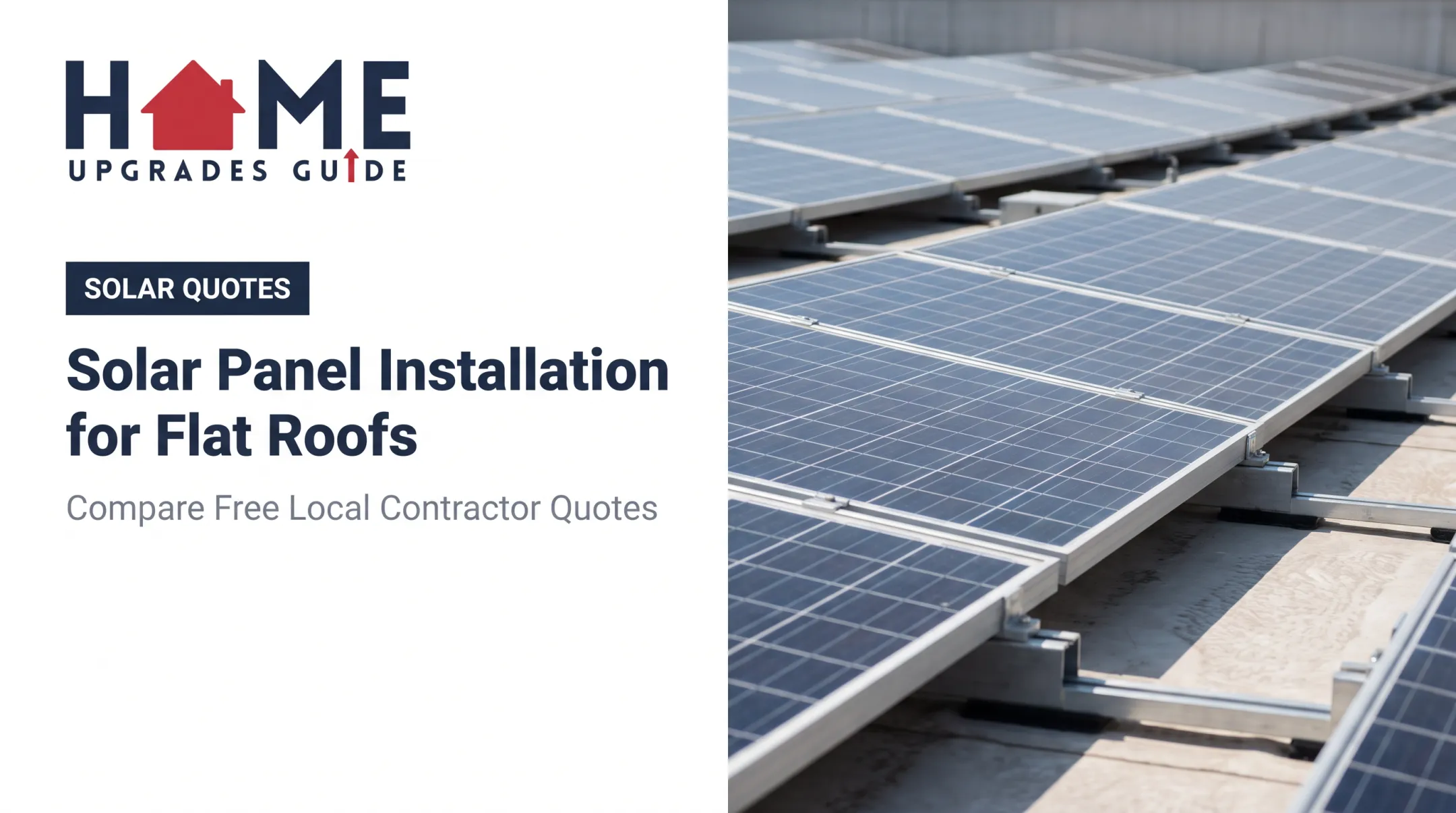
- Mounting method compatibility: attached racking versus ballasted systems
Skipping this step is the single biggest cause of mid-project delays. A roof with five years of life left under a 25-year solar warranty is a problem you want to catch before contracting, not after.
Electrical and Site Readiness
Review utility bills and interval data to understand operating hours, peak demand, and future electrification plans (EV fleets, added equipment). Then verify:
- Existing service capacity, switchgear, and transformer needs
- Grounding, equipment locations, and emergency access
- Fire lanes, drainage paths, and trenching requirements
Delaware Code Compliance
Delaware is adopting the 2023 National Electrical Code and the 2024 NFPA 1 Fire Code, both effective January 1, 2026, according to Delaware's regulations portal. Your installer's design needs to reference the correct adopted editions, plus any local building, zoning, and stormwater rules for your specific jurisdiction.
Non-negotiables: approved engineering, safe roof access, verified structural capacity, fall protection, utility coordination, and all required permits before work begins.

How to Install Commercial Solar Panels in Delaware (Step-by-Step)
Equipment and Crew Requirements
The final bill of materials depends entirely on the engineered design, but typical commercial projects include:
- PV modules, racking or ballast systems, inverters, and optimizers where specified
- Disconnects, combiner equipment, conduit, and grounding/bonding hardware
- Monitoring systems, labeling, and rapid-shutdown equipment
- Where applicable: transformers, switchgear, battery storage, or specialized foundations
Qualified crews use commercial-grade lifting, fall-protection, and testing equipment for energized-system work. Consumer-grade substitutes are not appropriate on these sites.
Clarify upfront what your quoted price includes versus optional add-ons such as battery storage, roof work, service upgrades, or EV charging infrastructure.
The Installation Sequence
- Site preparation and final design: Complete a site survey, confirm as-built conditions, map shading, and finalize equipment layout, conductor paths, and fire access routes.
- Permitting and utility coordination: Submit building, electrical, zoning, and utility documents. Delmarva's commercial net-metering rule caps nonresidential systems at 2 MW per meter, with generation sized to no more than 110% of average consumption, per Delaware's net-metering regulation. Confirm who owns each submission and approval.
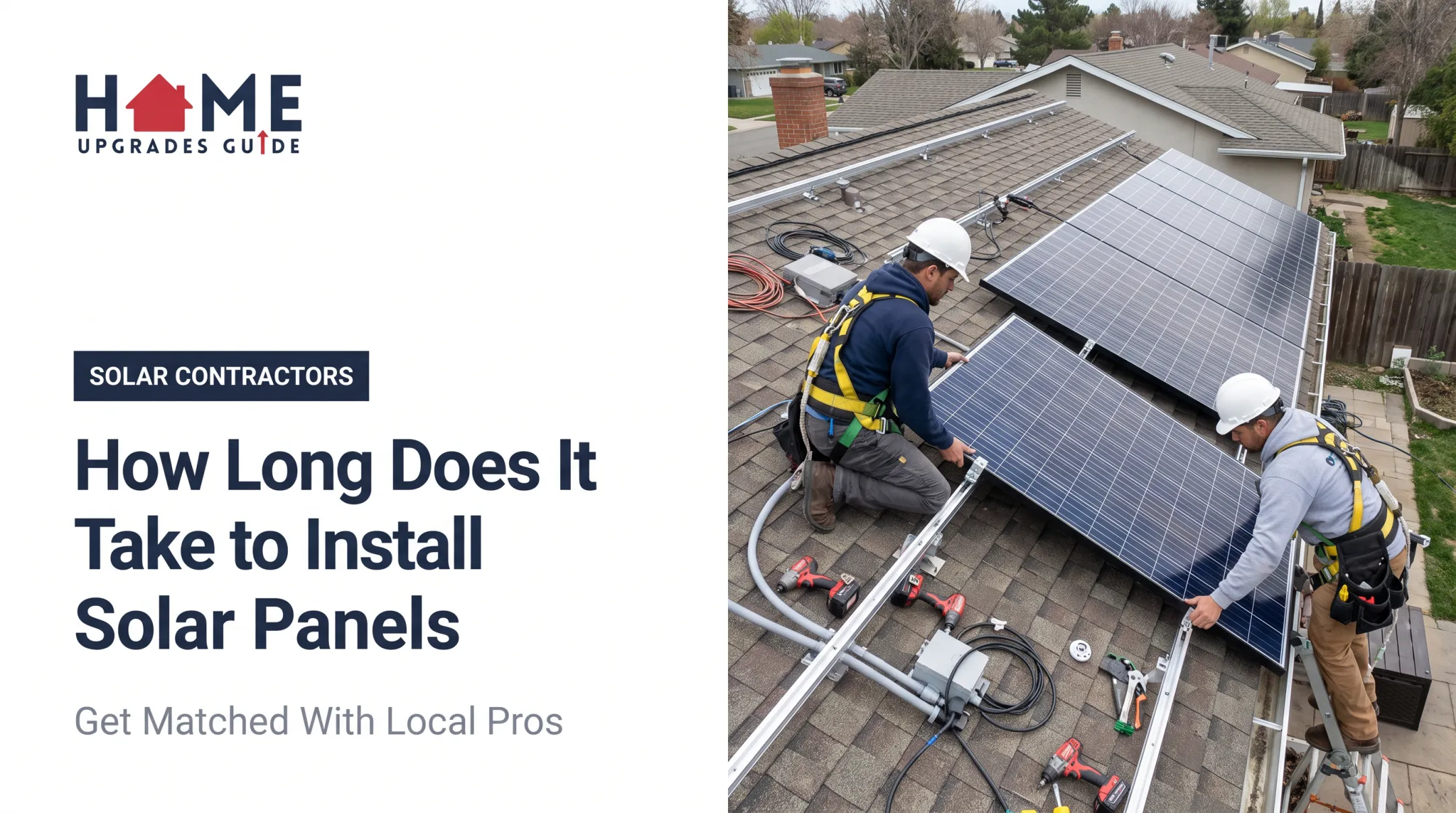
- Mounting and module installation: Install racking, ballast, and flashings per engineered specs, then secure modules while maintaining fire access and drainage clearances.
- Electrical integration: Connect circuits, inverters, disconnects, and switchgear per approved plans. Evaluate batteries, EV chargers, or building-management systems for compatibility rather than bolting them on later.
- Commissioning: Configure monitoring and protection settings, record serial numbers and test results, then complete utility-required testing before relying on the system for production.
Shortcuts anywhere in this sequence tend to surface later as inspection failures, roof damage, or delayed grid approval.

Post-Installation Checks and Common Problems
Closeout and Commissioning Checks
Before calling the project done, verify:
- Module attachment, flashings, and roof penetrations are properly sealed
- Labeling, grounding, and disconnect access meet code
- Monitoring shows expected production and active inverter communications
- Alert recipients and service contacts are assigned
Collect final inspection records, permission-to-operate documentation, warranties, as-built drawings, and incentive paperwork. Compare early production against modeled assumptions, but account for weather and seasonality before drawing conclusions.
Common Problems and Fixes
| Issue | Likely Cause | Fix |
|---|---|---|
| Roof damage or structural conflict | Design began before roof/structural assessment | Pause, reassess roof and structure, document attachment responsibilities |
| Interconnection or inspection delays | No written responsibility matrix for approvals | Track each submission, resolve utility comments fast, treat PTO as a defined milestone |
| Underperformance or recurring alarms | Inaccurate modeling, installation defects, poor network setup | Review monitoring data, inspect connections, pursue warranty corrective action |
Roof leaks, loose racking, and connector failures show up most often when PV installation and roof maintenance aren't coordinated from the start.
Pro Tips for Commercial Solar Installation in Delaware
- Compare proposals on itemized scope, not just price: design, permits, equipment, interconnection, commissioning, and warranties should all be spelled out
- Verify the installer's commercial licensing, insurance, manufacturer training, and references for comparable projects
- Request production modeling based on your actual site, usage, shading, and equipment — not generic estimates
- Confirm current Delaware incentives, SREC treatment, and ownership requirements through official state and utility sources before signing
- Sequence solar with roof replacement, HVAC work, or planned expansion so the system isn't undersized or dismantled later
- Plan around business continuity: work hours, parking, electrical shutdowns, and emergency contacts all need advance coordination
If you're a property owner evaluating options for your home alongside a business project, HomeUpgradesGuide's residential solar matching can help you request free quotes and compare vetted local installers serving your address. For the commercial side, you'll want contractors with specific commercial-scale experience. HomeUpgradesGuide connects homeowners with local professionals, not commercial design-build firms.
Conclusion
Installation quality on a commercial solar project affects far more than energy output. It touches roof integrity, electrical safety, operating continuity, incentive eligibility, and long-term return on investment.
Start with a documented feasibility review. Compare complete proposals, not just upfront price. Verify current state regulations and utility requirements before you sign anything.
Before you request proposals, gather:
- Utility bills
- Roof and electrical documents
- Site information
- Business objectives
That groundwork makes every quote easier to evaluate.
Frequently Asked Questions
What is the average cost of installing solar panels in Delaware?
Commercial cost depends on system size, equipment, roof conditions, electrical upgrades, and site access. The DOE's national benchmark puts commercial systems around $1.98 per watt, though that's a national reference, not a Delaware-specific quote. Don't apply residential pricing to commercial projects.
Does Delaware offer incentives for solar panels?
Delaware offers DNREC grants, SREC sales, financing through Energize Delaware, and the federal investment tax credit for qualifying projects. Eligibility, deadlines, and ownership rules change, so verify current terms through official state and IRS sources before signing a contract.
Are solar panels worth it in Delaware?
Value depends on your electricity usage, demand charges, roof condition, financing structure, and how long you plan to hold the property. A site-specific financial model answers this far better than a general yes-or-no claim.
What is the Delaware Community Solar Program?
Community solar lets participating customers receive bill credits from an off-site shared solar project instead of installing panels on their own property. Availability, subscription fees, and credit terms vary, so confirm current program details before enrolling.
Does Delaware allow plug-in solar?
Small plug-in devices aren't the same as a permitted commercial photovoltaic system. Businesses should never connect generation equipment without confirming electrical, building, fire, and utility interconnection requirements first.
Why are solar installers so expensive?
Commercial pricing covers engineering, structural and electrical work, specialized labor, permitting, utility coordination, insurance, and commissioning. Compare itemized scopes and lifecycle value across bids rather than judging on labor cost alone.