
Many homeowners don't think about roof condition until panels are already up. That's a problem: installing solar on a roof that's a few years from needing replacement can mean paying twice for labor, storing panels mid-project, and re-running permits you thought were settled.
This guide walks through assessing your roof and solar equipment, coordinating the two trades, and bringing everything back online without costly surprises.
Key Takeaways
- Temporary panel removal, roof work, then professional reinstall and testing complete a solar roof replacement
- Inspect roof age, leaks, structure, and remaining service life before any solar work
- Coordinate your roofer, solar installer, utility, and permitting office before signing
- Request itemized quotes for roofing, panel removal/storage, reinstallation, and electrical work
- Verify local costs, incentives, and utility rules for your specific situation
What Is Roof Replacement With Solar Panels?
This project means replacing the roofing system underneath an existing or planned solar array, while safely disconnecting, removing, and later reinstalling the equipment. It's not one standard job. It covers three distinct scenarios that each change the process.
Three Common Scenarios
- Replacing a roof before installing solar. The roof goes on first, then panels follow. The SEIA's consumer guide recommends this sequence when a roof is near the end of its life anyway.
- Replacing a roof beneath an existing array. Panels come off, the roof gets replaced, panels go back on.
- Installing solar shingles or BIPV. Products like GAF's Timberline Solar combine the roof covering and the electricity-generating layer into one material, replacing conventional roofing and rack-mounted panels entirely.
A roof replacement doesn't automatically mean replacing your panels, inverter, battery, or racking. Each component gets assessed separately for age, condition, and warranty status. A five-year-old inverter with a strong warranty doesn't need to go in the dumpster just because new shingles are going down.

This project isn't the same as bolting new panels onto an already-damaged roof, and it isn't necessarily a single-company job. Some roofing contractors handle solar removal and reinstallation; many don't. Confirm who's actually qualified for which scope before you sign anything.
How Does Roof Replacement With Solar Panels Work?
The process runs through inspections, approvals, electrical shutdown, equipment removal, roofing, reinstallation, and final sign-off. The exact order shifts depending on your contractor, equipment ownership, and local permitting requirements, but the five stages below cover the core of it.
Roof and Solar System Assessment
A qualified roofer should assess the roof deck, underlayment, flashing, penetrations, drainage, ventilation, and structural condition before anyone touches the panels. Separately, your solar professional should document panel locations, racking layout, wiring routes, inverter and battery specs, and current system performance.
Published service-life estimates vary by material and source. One widely cited table puts architectural asphalt shingles at roughly 30 years, metal roofs at 40-80 years, and clay tile at 100-plus years, though a 2025 contractor cost guide gives somewhat different ranges. Treat these as estimates, not guarantees.
Ask your roofer for written recommendations on:
- Whether repair, partial replacement, or full replacement makes sense
- Any structural or electrical upgrades needed to support the array
- Fire-access pathway requirements, wind and snow load considerations, and local code compliance
Project Planning, Contracts, and Permissions
Multiple parties may need to sign off: your roofing contractor, solar installer, utility, permitting office, insurer, and potentially your solar lender or financier. Get these details in writing before work starts:
- Who disconnects the system and who's liable if something breaks during removal
- Who removes, labels, and stores the equipment
- Expected downtime and how weather delays are handled
- How roofing and solar warranties interact once attachments are reinstalled
If you have a leased or third-party-owned system, your provider owns the equipment. You'll need their written approval before removal, and you should confirm who pays for the removal and reinstallation labor.
Permits, inspections, and interconnection approval don't automatically carry over to a modified system. Check with your local permitting authority rather than assuming.
Solar Shutdown and Panel Removal
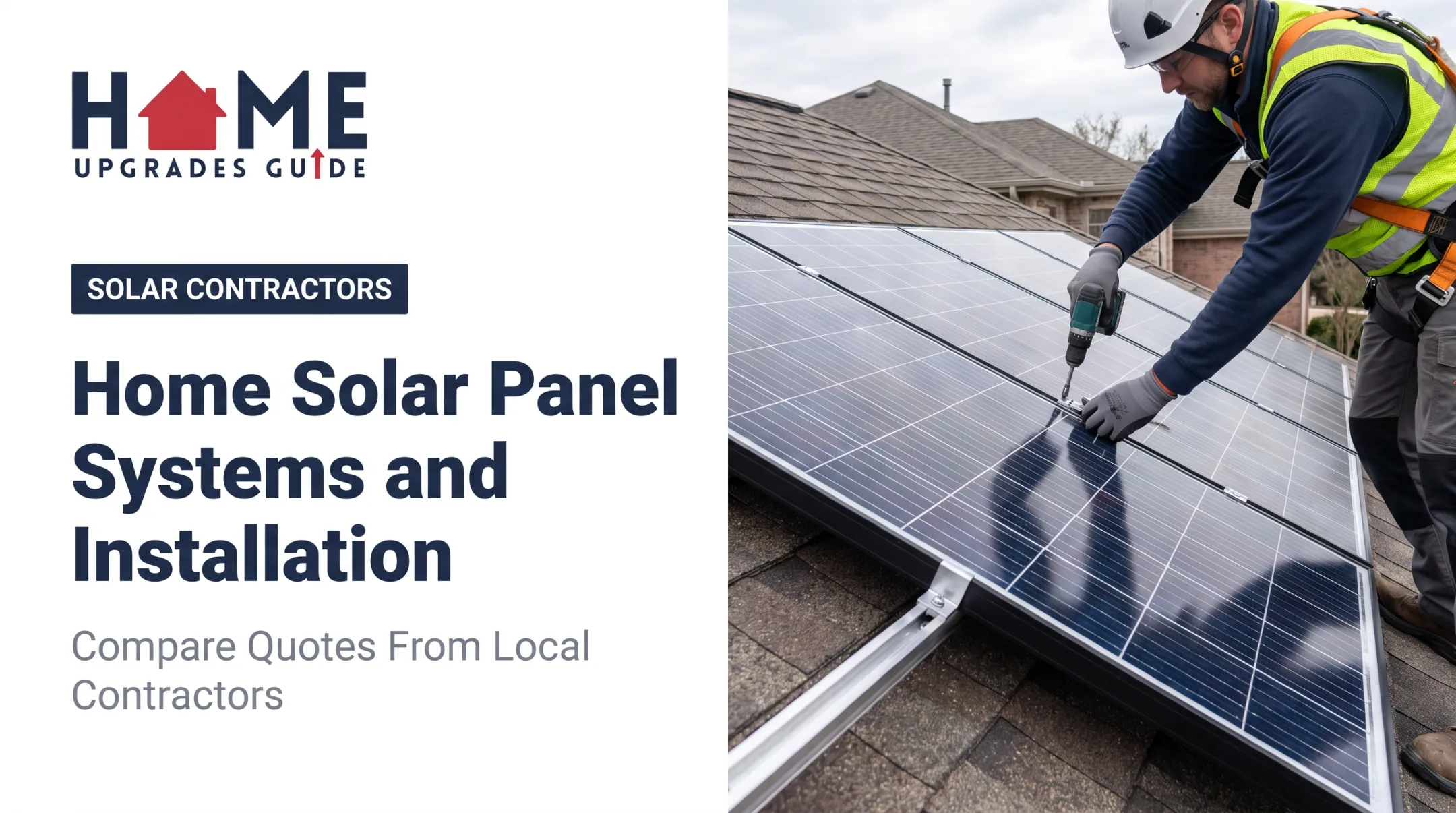
Qualified personnel shut down and disconnect the panels, inverter, battery, and grid connection before any roofing work begins. Everything gets labeled and documented so it returns to the correct spot, or an updated spot if the new roof design changes the layout.
Don't attempt this yourself. Rooftop solar work involves fall hazards, electrical shock risk, and fragile equipment. OSHA's safety guidance identifies electrocution, burns, and falls as recognized hazards in solar work, which is exactly why licensed professionals handle this step.
A few practical effects to plan for:
- No production while panels are off the roof
- A monitoring gap doesn't always mean the same thing as a generation gap, so confirm what "offline" means for your billing
- Net-metering or export credits pause during downtime, and the dollar impact depends on your utility's tariff
Roof Replacement
With the array out of the way, roofing work proceeds through its usual stages: protecting the property, tearing off old materials, inspecting and repairing the deck, installing underlayment and flashing, and completing the new covering.
The new roof should be designed with the future solar layout already in mind, including attachment points, access pathways, and any reinforcement the structural assessment flagged. This is the moment to fix layout compromises from the original install, not after panels go back up.
| Roof type | Key consideration for solar attachment |
|---|---|
| Asphalt shingle | Flashed, roof-compatible mount designed for shingles |
| Standing-seam metal | Seam clamps can avoid penetrations on compatible profiles |
| Tile | Needs tile-specific flashing, not a standard shingle foot |
| Slate/wood shake | Listed, roof-specific attachment required |
| Flat/low-slope | Engineered attachment or ballast system, not full ballast alone in high-wind areas |
No material is universally "best" for solar. Each comes with different attachment methods, breakage risk, and cost, so match the roofer's experience to the material you're choosing. Confirm how solar attachments affect your roofing warranty before the crew drills a single hole.
Solar Reinstallation, Inspection, and System Activation
The solar installer reinstalls racking, panels, wiring, inverter, and battery, checking roof-seal integrity at every attachment point. This includes electrical testing, grounding, system commissioning, inspection, and utility reconnection.

If the new roof changed the panel layout, roof plane, or wiring route, expect revised plans and possibly a new permit or utility approval. Revised plans are common when the roof design changes and do not mean something went wrong.
Before the crew leaves, collect:
- Final invoices for both roofing and solar scopes
- Permits and inspection records
- Equipment serial numbers and updated layout diagrams
- Warranty documents for both the roof and the solar system
- Monitoring login credentials and maintenance guidance
If you're still comparing solar quotes, HomeUpgradesGuide's free matching process lets you compare estimates from vetted local solar professionals and decide which contractors to contact, without HomeUpgradesGuide performing any installation itself.
Where Is This Approach Used?
Combining roof replacement and solar makes practical sense when:
- The roof is damaged or within a few years of the end of its service life
- You're already planning solar and want to avoid removing a new array later
- Coordinated scheduling with one project timeline reduces overall hassle
It may not be the right move when:
- The roof is structurally unsuitable for solar
- Heavy shading makes rooftop panels ineffective
- Financing terms restrict equipment removal
- A specialty roof material needs a particular installer
- A yard offers better sun exposure for a ground-mounted system
Regional conditions matter too. Hurricane zones, wildfire-prone areas, hail corridors, and heavy-snow regions each carry different code requirements, insurance expectations, and attachment standards. Research your local building and electrical codes and utility interconnection rules rather than assuming one state's rules apply everywhere.

Before committing, compare a conventional roof with rack-mounted panels against solar shingles and ground-mounted alternatives, weighing installed cost, expected output, appearance, and long-term maintenance.
Conclusion
This project works best when you evaluate the roof and the solar system together, before a single panel comes off or a single shingle gets pulled. Confirm these details in writing before work starts:
- Roof condition
- Equipment ownership
- Contractor responsibilities
- Permits and warranty coverage
- Reinstallation plans
Then compare itemized proposals from qualified roofing and solar professionals. The lowest initial price rarely tells you who's handling disconnection, storage, and reconnection correctly, and that's where costly mistakes actually happen.
Frequently Asked Questions
How much is a new roof with solar panels?
Costs depend on roof size and material, solar system size, panel removal and reinstallation, electrical upgrades, and permits. EnergySage's 2024 report found a median U.S. solar system cost around $28,750 before incentives; roofing costs vary by material and region. Get itemized local quotes rather than national averages.
What happens if you need a new roof but have solar panels?
Qualified professionals shut down and remove the solar equipment, complete the roof replacement, then reinstall, inspect, and reconnect the system. Expect some downtime, and confirm in writing who's responsible for each stage before work starts.
Is it worth putting solar panels on the roof?
It depends on your roof's condition, sunlight exposure, shading, electricity usage, and your utility's compensation rules. Financing terms and maintenance responsibilities also factor in. Only a site-specific assessment gives a reliable answer.
Why is my electric bill so high when I have solar panels?
Common causes include seasonal production drops, shading, higher household usage, changed utility rates, or shifts in export-credit rules. Check your production data first, then contact your installer or utility if the numbers still don't add up.
Is it difficult to sell a house with solar panels?
Selling a home with an owned system is usually straightforward. Leased, loan, or power-purchase-agreement systems require additional documentation and lender or provider coordination. Gather contracts, warranties, and production records before listing.
Can I run AC on a solar panel?
A single panel can't power a typical air conditioner on its own. Your full system (array, inverter, grid connection, and any battery) needs enough capacity for the AC's startup and running load plus other household use. A professional load assessment gives the real numbers.