
Most bifacial marketing comes from commercial rooftops, utility farms, or single-axis trackers sitting several feet above bright surfaces. Your roof is a different animal. Dark asphalt shingles, 4-6 inches of mounting clearance, roof vents, and rail hardware all work against the rear cells doing much of anything.
This matters because solar installers increasingly offer bifacial as an upgrade option, often with little explanation of when it's worth the premium. Before you pay more for a technology built for open fields, it helps to understand what's actually driving the gain.
Key Takeaways
- Bifacial panels only add meaningful output when the rear face has a genuine view of reflective or diffuse light.
- Flat roofs, elevated racking, carports, and ground mounts generally beat close-mounted pitched roofs for rear-side gain.
- Compare a site-specific bifacial model against monofacial pricing before assuming the upgrade pays for itself.
- Roof structure, fire rating, and local permitting always need sign-off from a qualified solar professional.
What Are Bifacial Solar Panels and How Do They Work?
A bifacial module has active solar cells on both the front and back, typically built with dual-glass or another transparent rear layer instead of the standard opaque backsheet. The front side generates power the same way a conventional panel does. The rear side picks up whatever light bounces off the surface beneath it or arrives as diffuse skylight.
That reflected light is measured by albedo, the fraction of sunlight a surface bounces back. Fresh snow can hit albedo values near 0.9, while a white roofing membrane might start around 0.79 and drop to roughly 0.69 within a few years of weathering, according to the CRRC Roof Directory. Dark asphalt shingles sit far lower.
Four variables determine how much of that reflected light actually reaches the rear cells:
- Surface reflectivity – brighter surfaces bounce more usable light
- Panel height – more clearance means a wider "view" of the surface below
- Tilt and spacing – affects how much rear surface each row can see
- Shading – rails, wiring, and junction boxes block rear cells just like front ones
Nameplate Rating vs. Real-World Output
Here's where a lot of homeowners get misled. A panel's bifaciality rating (say, 70% or 80%) describes how the rear cells perform relative to the front under test conditions. It is not a prediction that your system will generate 70% more electricity.
NREL treats bifacial gain as a whole-system comparison against an equivalent monofacial array, not a datasheet multiplier. A high bifaciality percentage on a module mounted six inches above black shingles can still produce a negligible annual boost.

Bifacial vs. Monofacial Panels for Homeowners
| Factor | Monofacial | Bifacial |
|---|---|---|
| Rear-side generation | None | Possible, highly site-dependent |
| Construction | Standard backsheet | Usually dual-glass |
| Weight | Lighter | Often heavier (model-specific) |
| Mounting flexibility | More forgiving | Needs rear clearance and unobstructed view |
| Roof suitability | Works on most roof types | Best on flat, bright, or elevated setups |
| Design complexity | Lower | Higher (structural and electrical review) |
If your roof is almost entirely blocking the rear face, monofacial is usually the better-value choice. You're paying for cells that will rarely see useful light. Always verify weight, pricing, and performance claims against the specific manufacturer's datasheet rather than general "bifacial" marketing language, since construction varies widely between product lines.
Are Bifacial Solar Panels Suitable for Residential Roofs?
Yes, bifacial panels can be installed on a roof. But installation feasibility and financial payoff are two separate conversations, and the answer changes dramatically by roof type.
Typical Pitched Asphalt-Shingle Roofs
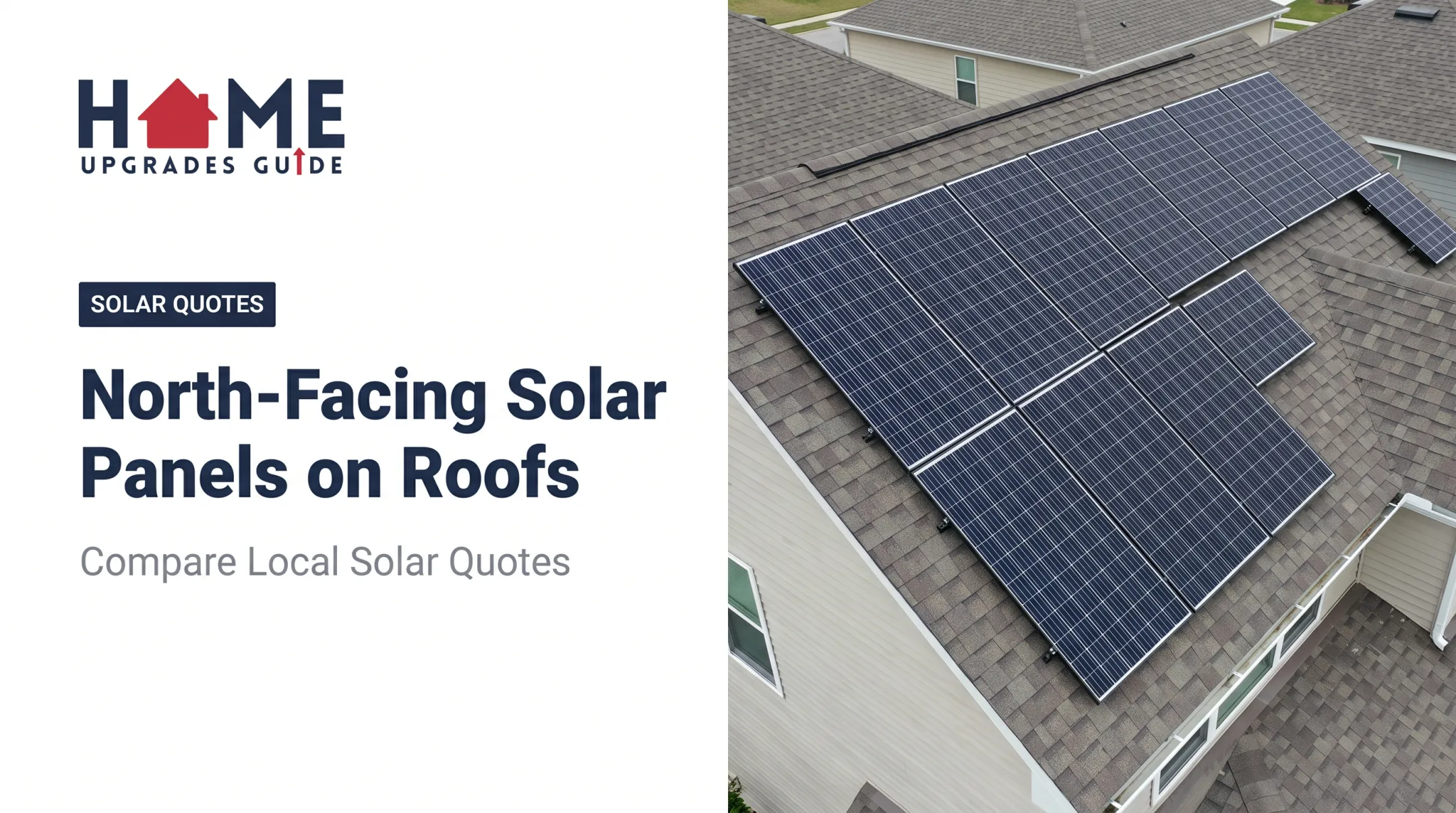
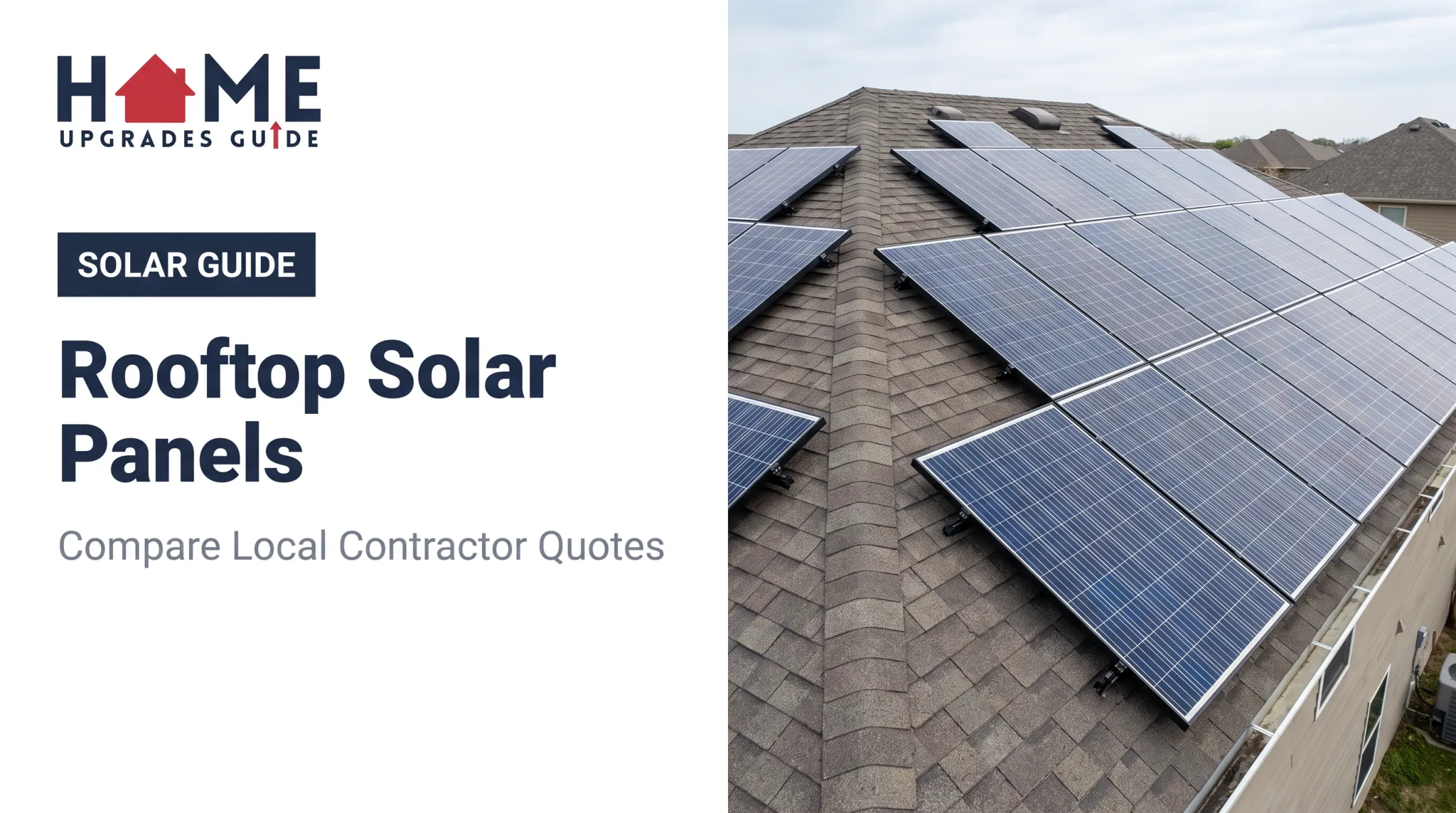
This is the toughest environment for bifacial gain. Panels are usually mounted close to the surface, the shingles themselves reflect relatively little light, and the rear view is narrow and often obstructed.
Canadian Solar's own installation guidance notes that building-attached PV can have reduced backside performance. Treat that as a direct warning against assuming field or tracker-level gains will show up on a flush-mounted roof.
Add in rails, wiring, junction boxes, roof vents, and the geometry of a sloped surface, and the rear cells may contribute very little to annual output. Don't rely on commercial or utility-scale gain percentages here. They come from entirely different mounting conditions.
Flat or Low-Slope Roofs
A flat roof with a bright membrane, elevated racking, and proper row spacing creates a much better environment for rear-side exposure. Reflectance can run high initially on white TPO or similar membranes, though it fades over a few years of weathering.
Trade-offs to weigh:
- Attachment method: ballasted systems avoid roof penetrations but add weight
- Parapet shading: can block rear light near roof edges
- Membrane warranty: some manufacturers restrict warranty coverage with added rooftop hardware
- Wind loads and drainage: elevated racking changes both
- Available roof area: spacing requirements for rear exposure eat into usable space
Other Residential Applications
Carports, pergolas, patio covers, awnings, detached structures, and ground-mounted arrays often give the rear face more open access to light than any roof-mounted setup. These structures can be designed with height and spacing in mind from the start, rather than retrofitted onto existing roof geometry.
Snowy climates and bright surrounding landscapes can also boost seasonal rear-side illumination. One study found average winter bifacial gains near 20% under snowy U.S. conditions, compared with steep monofacial losses from snow cover in the same season.

That is a seasonal research result, not a guarantee of strong annual savings once you average across the full year.
Homeowner Screening Checklist
Before considering a bifacial upgrade, assess:
- Roof color and material
- Roof pitch and available clearance between panel and surface
- Nearby obstructions or shading sources
- Roof age and remaining structural life
- Available roof area for proper row spacing
- Local snow and wind exposure
- Whether the roof structure can support the selected modules and racking
Request a site-specific bifacial production model rather than accepting a generic advertised gain percentage. Generic gain figures often overstate what a residential roof will actually deliver.
What Design and Installation Factors Matter?
Mounting Height and Rear-Side Access
More clearance generally exposes more of the rear face to reflected light. But taller racking isn't free. It increases wind loads, structural requirements, visual impact, and installation cost. There's no universal clearance number that guarantees a specific gain; it depends on the surface below and the array's geometry.
Roof Surface, Tilt, and Orientation
Roof reflectivity and panel geometry both shape rear irradiance. The real goal is maximizing total annual production, not reflected light alone. The ideal tilt and orientation depend on your home's location, available roof planes, shading patterns, your utility's rate structure, and the specific system model your installer runs.
Racking, Rails, and Wiring
Open rails, clamps, junction boxes, and cable runs can all shade active rear cells if placed carelessly. Installers should follow manufacturer-approved mounting zones and keep hardware out of the rear light path where possible. Avoid locking in specific measurements unless they come directly from your equipment's documentation.
Structural, Fire, and Weather Requirements
Glass-glass bifacial modules can be heavier than standard panels, which changes:
- Roof-loading calculations
- Handling requirements during installation
- Wind and hail resistance ratings
- Attachment hardware specifications
Before you sign, have a licensed professional confirm:
- Module-racking compatibility
- Fire classification (UL 61730 and IEC 61730 ratings vary by product)
- Roof attachment details
- Local permitting requirements
- Manufacturer warranty conditions
Electrical and System-Design Compatibility
Bifacial operation can shift the current assumptions used to size your system. A 2025 code-development proposal suggested a reference irradiance of 1,000 W/m² on the front plus the greater of 300 W/m² or the manufacturer's rear-side claim. That approach is still proposed, not a confirmed national code requirement. Your installer still needs to verify module ratings, inverter or microinverter limits, conductor sizing, overcurrent protection, and rapid shutdown compliance.
Bifacial panels don't automatically require a special inverter. But the entire system, from wiring to breakers, needs to be designed around the specific module and its expected operating conditions.
What a Proper Quote Should Include
A trustworthy bifacial quote should show:
- Monofacial baseline production for comparison
- Bifacial assumptions including albedo and shading inputs
- Expected annual production as a kWh number, not just a percentage
- Equipment changes required versus a standard system
- Incremental cost broken out separately from the base system price
Ask whether the estimate uses site-specific imagery, actual roof measurements, local weather data, and the real manufacturer specs, or whether it's just a generic uplift percentage applied to a standard quote.
How Much Do Bifacial Panels Cost and Are They Worth It?
Bifacial systems can carry a few extra cost categories beyond a conventional rooftop install:
- Module premium (varies significantly by manufacturer and product line)
- Heavier or specialized racking
- Structural reinforcement, if needed
- Additional engineering and labor
- Permitting for modified roof loads
- Electrical equipment changes, if current ratings shift
There isn't a single, reliable national figure for "the bifacial premium." Residential solar pricing data, like the median $2.50 per watt reported in EnergySage's 2024 report, reflects whole-system costs rather than isolating the bifacial component.
Get itemized installer quotes rather than estimating from industry averages.
Running the Incremental Math
A simple way to frame the decision:
Incremental payback = additional installed cost ÷ annual value of the extra electricity produced
To calculate the annual value accurately, you'll need:
- Your actual utility rate (not a national average)
- Net-metering or export compensation rules in your area
- Expected self-consumption versus export percentage
- Financing terms, if applicable
- Available incentives
- Expected module degradation over time
Export rates vary enormously by utility. Arizona Public Service customers, for example, see compensation around 6.17 cents per kWh, while Tucson Electric Power customers see closer to 5.13 cents per kWh, according to DSIRE's net-metering database.

Plug in your own utility's numbers, not a borrowed example, before deciding if bifacial math works for your home.
Where Else Could That Budget Go?
On a low-gain roof, that same money might go further elsewhere:
- Adding more front-facing panel capacity
- Reworking roof layout for better sun exposure
- Replacing an aging roof before installation (avoiding a costly teardown later)
- Adding battery storage, where it fits your goals
Durability or warranty preferences can still justify bifacial even with modest energy gains, but weigh that decision separately from the production math.
Comparing Quotes Fairly
Make sure every quote you collect holds these factors constant:
- Same system size and production assumptions
- Same roof scope and matching equipment
- Comparable warranties
- Identical financing and incentive assumptions
Otherwise the comparison is not meaningful.
If you'd rather not chase down multiple installers on your own, HomeUpgradesGuide lets homeowners request free solar project quotes in about two minutes. The four-step process matches you with vetted local contractors based on your address, and you decide which ones to contact.
Bottom Line
Bifacial panels may be worth investigating for bright flat roofs, elevated structures, carports, pergolas, ground mounts, or properties surrounded by unusually reflective surfaces. For many close-mounted dark pitched roofs, conventional monofacial panels remain the more practical, better-value choice.
The right answer depends on your roof, mounting design, local conditions, electricity rates, equipment pricing, and the quality of your installer's production model. Generic percentage claims don't hold up against those variables.
Ask for side-by-side bifacial and monofacial proposals from a qualified installer. Those proposals should cover:
- Modeling assumptions and projected production
- Structural review and code compliance details
- Total installed cost for each option
If you want help finding contractors to run those numbers for your home, HomeUpgradesGuide can connect you with vetted local professionals serving your area at no cost.
Frequently Asked Questions
Can bifacial solar panels be used on a roof?
Yes, bifacial panels can be roof-mounted. Flat, bright, elevated roofs generally offer more rear-side opportunity than panels mounted close to a dark pitched roof.
What type of residential roof is best for bifacial solar panels?
Flat or low-slope roofs with reflective surfaces, adequate mounting clearance, and minimal shading tend to work best. Structural and permitting conditions still need to support the heavier racking involved.
Do bifacial solar panels produce more energy on a dark shingle roof?
They'll still function normally, but rear-side benefit is often limited. Dark shingles reflect relatively little light, and close mounting restricts how much of the rear face is even exposed.
Do bifacial solar panels need special mounting or an inverter?
Not always. But racking compatibility, module current ratings, inverter limits, wiring, and overall roof design all need to be checked together by a qualified installer.
How much more electricity do bifacial solar panels make on a residential roof?
Output varies substantially based on roof surface, mounting height, tilt, shading, and local weather. Ask for a site-specific model rather than trusting a universal percentage claim.
Are bifacial solar panels worth the extra cost for homeowners?
It depends on the additional installed cost versus the modeled extra production for your specific roof. Compare bifacial quotes against monofacial options and other potential uses of the same budget before deciding.