
Introduction
Roof-mounted and ground-mounted solar panels generate electricity the same way — through photovoltaic cells that convert sunlight into power. The difference comes down to where you put them.
That single decision ripples through everything else: installation cost, how much energy your system produces, whether your roof needs repairs first, how easy maintenance will be, and how much yard space you give up.
There's no universal winner here. A homeowner with a shaded, aging roof and a half-acre of open land faces a very different calculation than someone with a new roof and a tight suburban lot. This guide breaks down both options so you can match the right mounting type to your property, budget, and energy goals.
Key Takeaways
- Roof-mounted solar costs less upfront and preserves yard space, but depends on roof condition, orientation, and area
- Ground-mounted solar offers easier access and flexible positioning, but needs more land, site prep, and investment
- Complete a roof inspection, shade analysis, and production estimate before you compare quotes
- Long-term value matters more than price per watt: factor in roof-replacement risk and maintenance access
- HomeUpgradesGuide lets homeowners request free quotes and compare local contractor matches before deciding
Ground-Mounted vs. Roof-Mounted Solar: Quick Comparison
Cost
Roof-mounted systems use your existing roof as the mounting surface, which usually means less structural work and lower labor costs, assuming the roof is suitable.
Ground-mounted systems need dedicated racking, foundations or ground screws, trenching for wiring, and often more labor. DOE's 2025 cost benchmarks model a residential rooftop system at $2.95 per watt (in 2024 dollars). That figure is useful context, but not a nationwide ground-versus-roof premium.
That said, site conditions can flip the math entirely. One contractor's ground-mount quote came in more than $3,000 cheaper than its rooftop alternative for the same client, largely because the roof design required microinverters for rapid shutdown. The lesson: compare complete, itemized designs, not assumed cost rules.

Energy Production and Positioning
Ground mounts let you choose azimuth and tilt independently of your house. You're not stuck with whatever direction your roof happens to face. Airflow beneath the panels can also help with heat dissipation, though actual output still depends on shading, equipment, and local weather.
Roof-mounted production is tied to:
- The roof plane's compass direction and pitch
- Obstructions like chimneys or vents
- Shading from trees or neighboring structures
Neither mounting type guarantees higher output. A well-oriented roof can easily outperform a poorly sited ground array.
Space and Property Impact
Ground arrays need usable, unshaded land, plus room for setbacks, equipment access, and electrical trenching. Roof arrays use space you're already not using for anything else, which keeps your yard free for landscaping, play areas, or storage.
Maintenance and Accessibility
Ground-mounted panels are easier to inspect, clean, and clear of debris since you can reach them from the ground. Roof-mounted systems, especially on steep or fragile roofs, often require professional access for even routine maintenance.
Installation and Long-Term Considerations
Ground installations involve soil conditions, drainage, zoning setbacks, and sometimes fencing against wildlife or vandalism. Roof installations require evaluating:
- Structural capacity for added weight
- Roof warranty terms (overburden waivers often require panel removal for roof repairs)
- Remaining roof service life
- Waterproofing at attachment points
If your roof needs replacement within the system's lifespan, that removal-and-reinstallation cost deserves real weight in your decision.
Ground-Mounted vs. Roof-Mounted Solar: What Are They?
Ground-Mounted Solar Panels
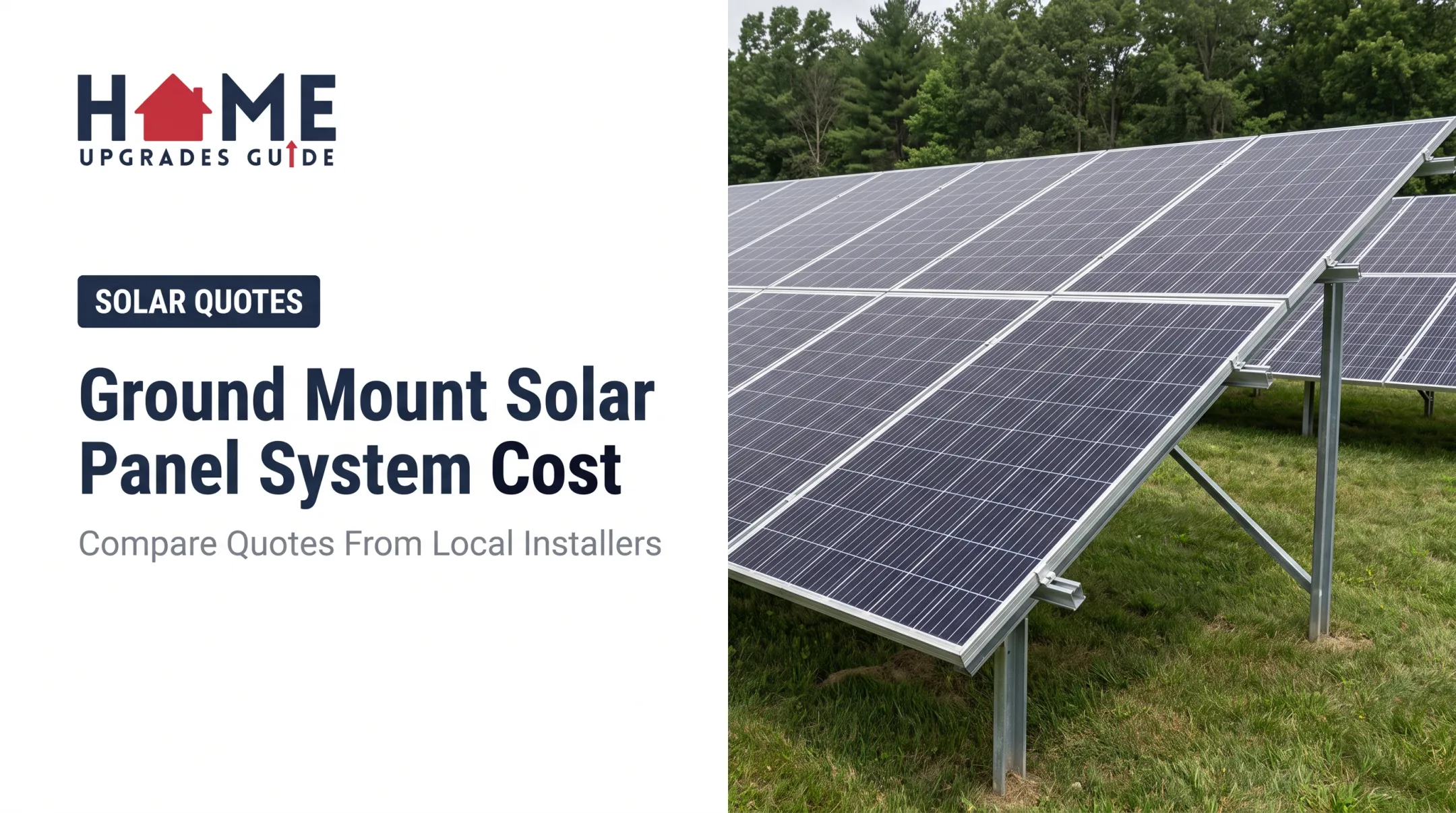
A ground-mounted solar system sits on a freestanding structure anchored with driven posts, ground screws, concrete foundations, or another engineered support. The array isn't attached to your house at all.
Main benefits:
- Flexible orientation and tilt, independent of any building
- Easier maintenance and cleaning access
- More design freedom when roof space is limited or unsuitable
- Room for future expansion
Common types include fixed-tilt mounts, pole mounts, ballasted (non-penetrating) foundations, and tracking systems that follow the sun. Trackers can boost output, but they add moving parts, including drive shafts, motor controllers, and bearings that need periodic servicing. More complexity isn't automatically the better choice.
Site requirements matter too:
- Unshaded land and soil suitable for the chosen foundation
- Proper drainage and equipment access during construction
- Compliance with local setbacks and zoning
Use Cases of Ground-Mounted Solar
Ground mounts make sense for homes with shaded, small, aging, or poorly oriented roofs, and for properties with substantial open land to work with. They're also worth considering if you're planning future electricity-hungry additions like an EV, heat pump, or battery storage, since ground systems are often easier to expand.
Solar Power World's report on one West Virginia-based installer found that roughly 65% of its business comes from ground-mounted projects, largely because its rural service area in West Virginia, Pennsylvania, and Ohio has ample available land. That's a contractor's own estimate, not a national statistic, but it illustrates how local land availability shapes the decision.
Roof-Mounted Solar Panels
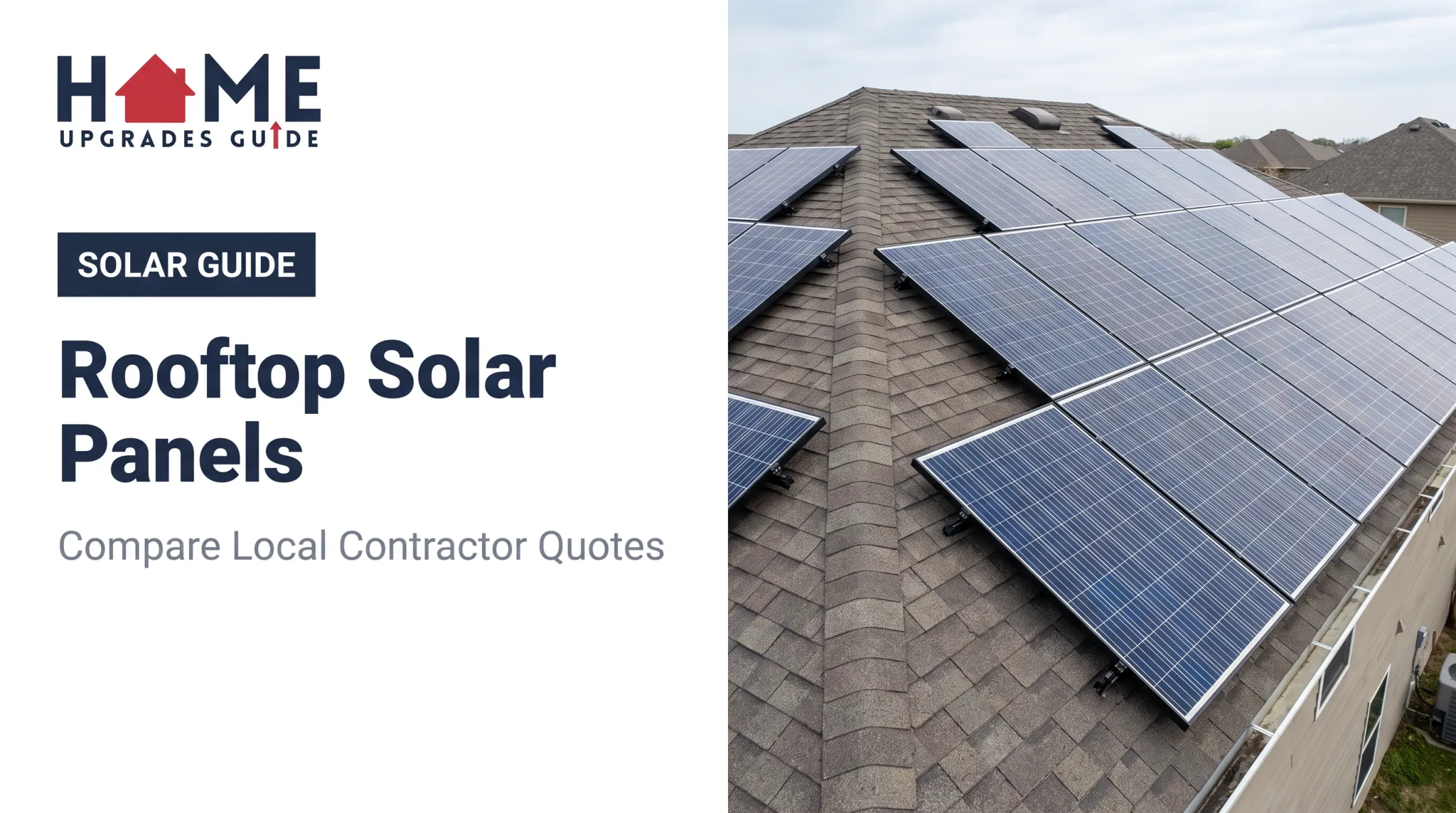
A roof-mounted system attaches panels to your home using engineered racking, either penetrating the roof surface or using non-penetrating and ballasted approaches depending on roof type.
Main benefits:
- Uses otherwise unused roof space
- Preserves your yard entirely
- Lower site-preparation requirements
- Often a simpler, faster installation
Key limitations:
- Roof age and condition, plus limited usable area
- Fixed orientation and pitch you can't adjust
- Shading and attachment penetrations that need careful waterproofing
- Harder maintenance access than a ground array
Before installing, get the roof evaluated. If it's likely to need replacement during the solar system's life, compare reroofing first against the cost and disruption of removing and reinstalling panels later.
Use Cases of Roof-Mounted Solar
Homes with newer roofs, sufficient unshaded area, solid structural capacity, and a favorable orientation are strong candidates for roof mounting. It's often the practical default for suburban or smaller properties where yard space is tight or constrained by HOA rules, landscaping plans, or local zoning.
A suitable roof also reduces site work significantly (no trenching, no foundation work, or land-use approvals), which can improve overall project economics even when per-watt racking costs are similar.

Ground-Mounted vs. Roof-Mounted Solar: What Is Better?
Neither option wins universally. The right answer depends on your roof, your land, and your total ownership costs over the system's lifetime.
Choose ground-mounted solar when:
- You have sufficient unshaded land available
- Your roof is aging, poorly oriented, or structurally unsuitable
- You expect high future electricity demand
- You want easy access for maintenance and future expansion
Choose roof-mounted solar when:
- Your roof is structurally sound with substantial remaining life
- You have adequate usable, unshaded roof area
- Yard space is valuable to you
- Minimizing upfront site work is the priority
Comparing the Financial Picture
Look beyond price per watt. Factor in financing terms, available incentives, expected maintenance, roof-replacement exposure, insurance requirements, and payback timeline. These all vary significantly by region and provider.
A homeowner decision checklist should cover:
- Roof age and material
- Structural assessment, shading, and orientation
- Usable land, soil conditions, and setbacks
- Electrical panel location and trenching distance
- Future energy needs
A Note on the "36-Inch Solar Rule"
You may hear about a "36-inch rule" for rooftop solar. This generally refers to fire-code roof-access pathways, not a blanket border around every array.
The 2024 IRC pathway rules require at least two 36-inch-wide pathways on separate roof planes. Ridge setbacks can be 18 or 36 inches depending on roof coverage, and exceptions exist for certain roof slopes and structures. Always confirm current requirements with your local authority having jurisdiction and your installer.
Ready to compare real numbers? Request free quotes through HomeUpgradesGuide and review each contractor's proposed layout, production estimate, permits, warranties, and complete installed price side by side.
Real-World Examples and Decision Scenarios
Scenario 1: Newer roof, limited yard. A homeowner with a roof installed within the last decade, mostly unshaded and facing south, but on a small suburban lot, is a strong roof-mount candidate. Rooftop space avoids competing land uses, and interconnection to existing home wiring is typically simpler.
Scenario 2: Aging roof, open land. A homeowner whose roof is 20+ years old, partially shaded by mature trees, and poorly oriented, but who owns an acre of open, unshaded yard, fits the ground-mount profile. Ground systems sidestep the roof's orientation and pitch constraints entirely, and avoid the removal-and-reinstallation risk tied to an aging roof.
In both cases, compare these factors rather than a generic claim that one mounting type always wins:
- Estimated annual production
- Total installed cost
- Maintenance access
- Roof-replacement exposure
- Room for future expansion
Site-specific design and itemized quotes tell you far more than a national average ever could.

Conclusion
Roof-mounted solar is often the simplest, most space-efficient choice when your roof is suitable. Ground-mounted solar earns its place when the roof is constrained and the property has usable land to work with.
Before you commit:
- Get a roof and site assessment
- Compare production estimates and complete project costs
- Confirm local permitting and fire-access rules
Choose the configuration that fits your budget and long-term energy plans. Request a free, no-obligation quote through HomeUpgradesGuide to see what local contractors recommend for your property.
Frequently Asked Questions
Is it cheaper to install solar panels on the ground or on the roof?
Roof-mounted systems often cost less when the roof is suitable, since they skip foundation work and trenching. Ground-mounted systems can sometimes cost less overall, though, depending on equipment choices and site conditions. Get itemized quotes to compare.
What is the average cost of a solar panel roof?
Total cost varies by system size, equipment, roof complexity, location, labor, incentives, and financing. Rather than relying on one national average, request current local quotes for an accurate estimate.
Are ground-mounted solar panels worth it?
They can be worthwhile when your roof is shaded, aging, poorly oriented, too small, or structurally unsuitable, provided you have accessible land. Expect a higher upfront cost and more land requirements in exchange for flexibility.
What is an array in a solar system?
A solar array is a group of connected panels working together to generate electricity. Arrays can be installed on a roof, on the ground, or on another suitable structure.
What is the 36-inch solar rule?
It commonly refers to a fire-safety or roof-access clearance requirement for rooftop arrays, but exact measurements vary by jurisdiction, roof layout, and code edition. Confirm current requirements with your local authority and installer before finalizing a design.