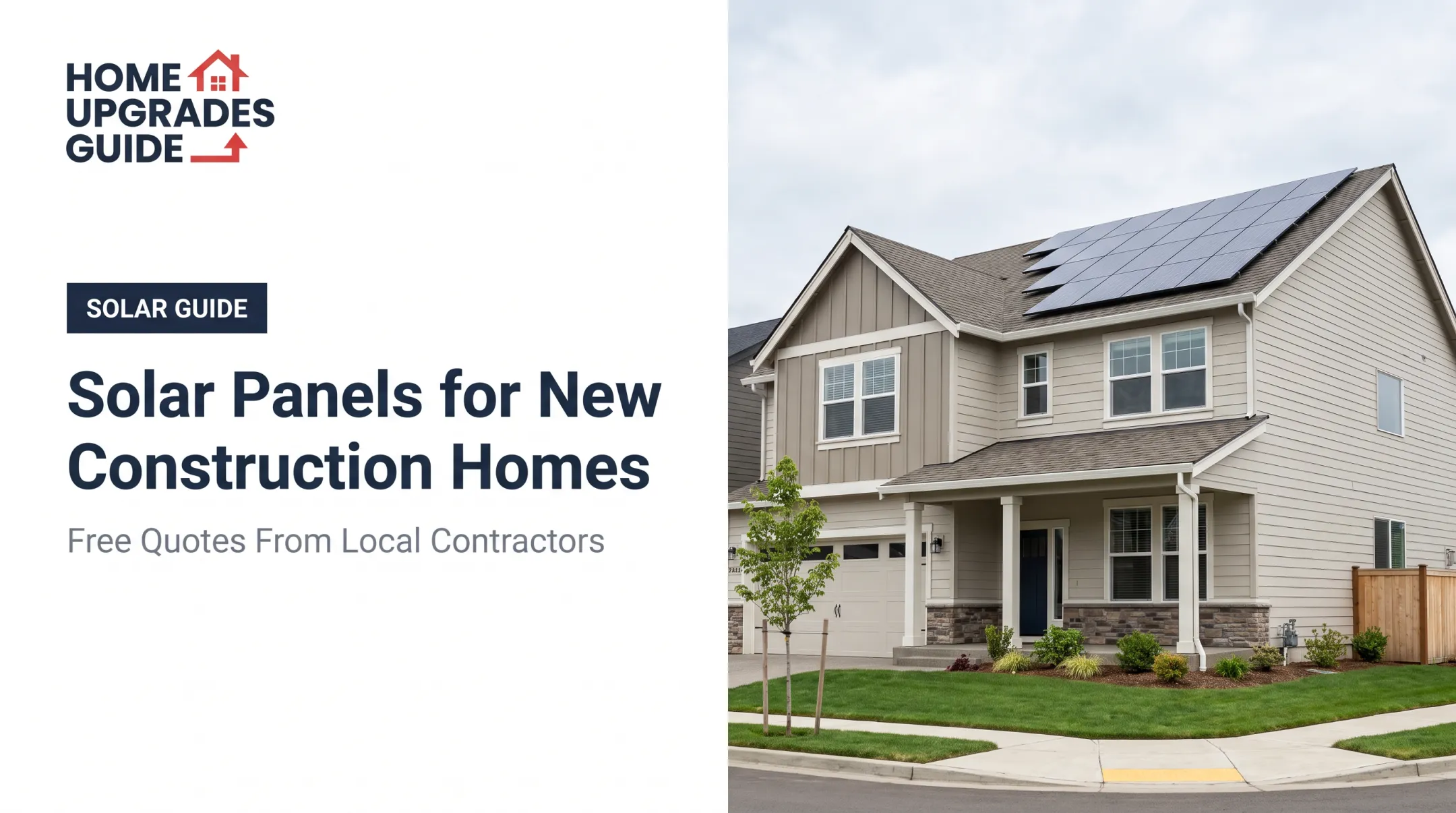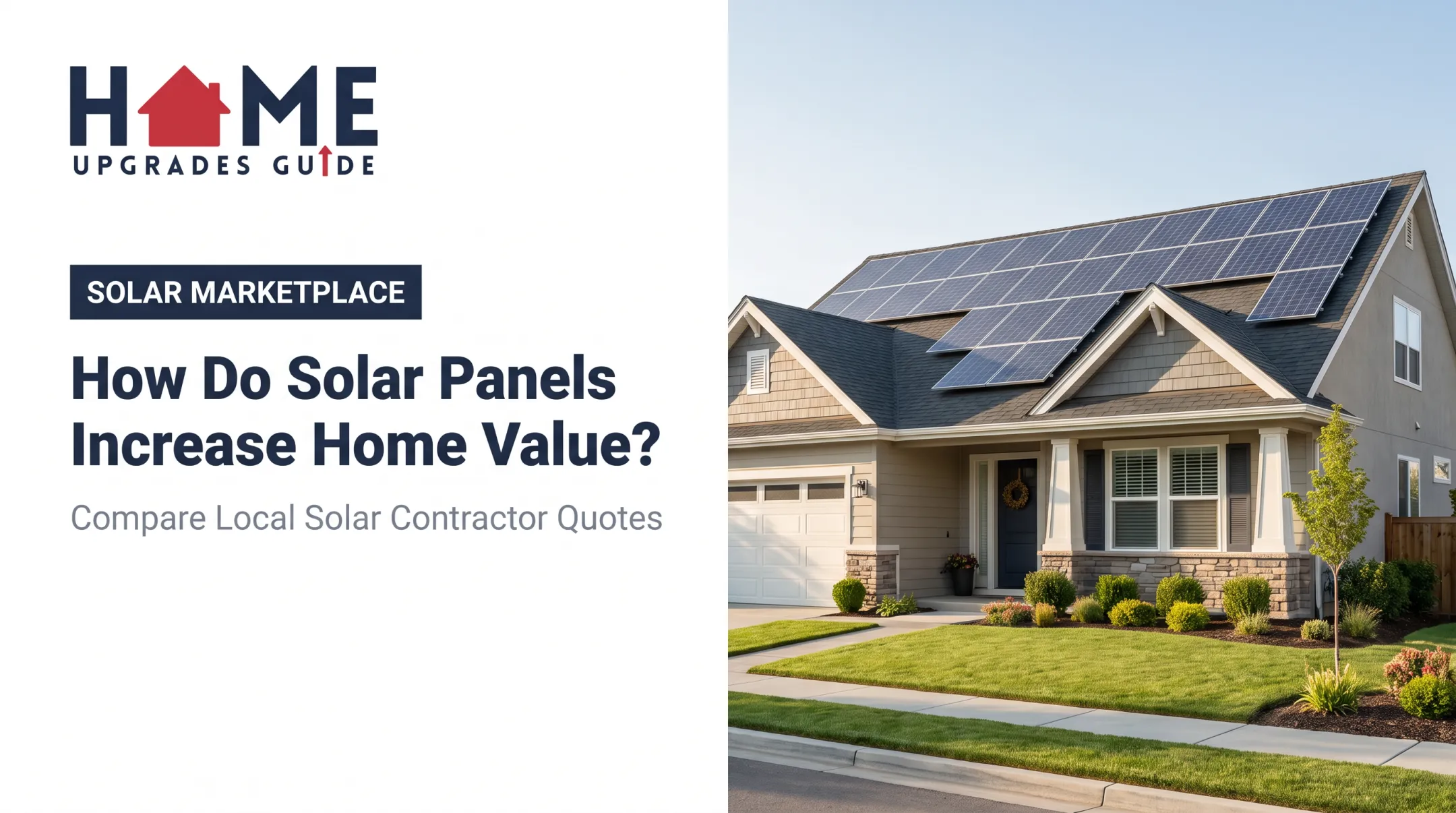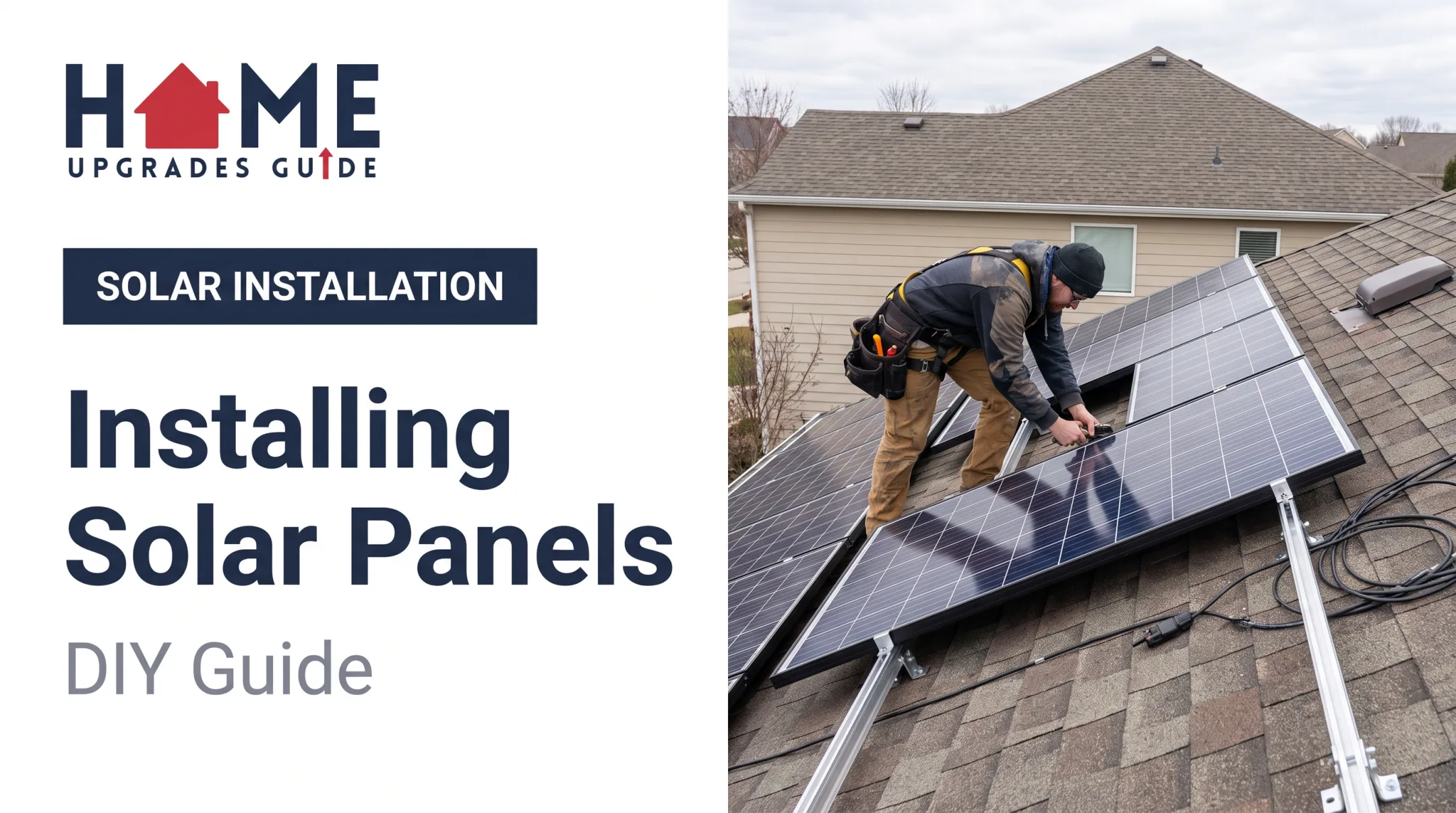

The truth is that appearance has less to do with whether panels face the street and more to do with how they're designed. Panel color, layout symmetry, mounting height, and even where the conduit runs all shape the final look.
Front-of-house solar is often possible — the real question is whether your roof's orientation, shading, structural condition, and local approval rules support the design you want. This guide walks through the choices that make a front-facing array look intentional: all-black equipment, clean symmetry, low-profile mounting, hidden wiring, and the questions worth asking before you sign anything.
Key Takeaways
- A well-planned front-facing array can follow your roofline and look deliberate, not bolted-on
- Panel color, frame style, spacing, mounting height, and conduit routing drive the finished look
- Compare a production-focused layout against an appearance-focused one before committing
- Check HOA, municipal, utility, and historic-district rules before finalizing any design
- Request a roof inspection and written design details, then compare quotes from multiple local installers
Can Solar Panels Go on the Front of a House?
Yes, in most cases. Panels can go on a front-facing roof plane across the US, provided the structure meets fire-safety and electrical code, local permitting requirements, utility interconnection standards, and any community design rules.
Why the Front Roof Is Sometimes the Best Option
South-facing roofs typically generate the most electricity, but east- and west-facing planes can still work well depending on your location and energy goals, according to EnergySage's research. If your front roof happens to face south, it may genuinely be your best-producing option, not just the most visible one.
Other reasons installers might recommend the front:
- It has the most usable, unshaded square footage
- Rear or side roof planes are blocked by trees or neighboring structures
- The pitch on the front roof better matches your system's energy target
- Multiple smaller roof sections elsewhere can't fit enough panels
Rear placement isn't automatically the better choice. The right location balances sunlight exposure, visual impact, roof access, and your system's design goals together, not any single factor in isolation.
When Front-Facing Placement Gets Complicated
Certain roof features make a front array trickier to design cleanly:
- Dormers, skylights, or chimneys that break up the usable area
- Multiple roof planes meeting at odd angles
- Steep pitches that limit mounting options
- An aging roof nearing the end of its service life
- Historic-district design restrictions on visible equipment
Rules also vary by location. HOA design standards, municipal permits, utility interconnection requirements, and street-visibility restrictions differ by city and association.
Before approving any design, ask for a street-level rendering or marked-up roof photo showing exactly where panels, rails, conduit, and junction boxes will sit. A generic manufacturer image won't tell you what your actual roof will look like.
Which Design Choices Make Front-Facing Solar Look Better?
Once you've confirmed the front roof works technically, the design details determine whether it looks polished or patchwork.
All-Black Panels and Uniform Framing
All-black modules with black cells, black frames, and darker backsheets have become the default choice for street-facing arrays because they read as a single uniform surface rather than a grid of visible parts. Manufacturers like REC and Qcells both market full-black residential panels with anodized black frames specifically for this look.
That said, color should be judged against your actual roof material and architectural style:
- Dark composition shingles tend to hide black panels almost seamlessly
- Lighter roofs (clay tile, light shingle) create more contrast, which some homeowners prefer and others don't
- Brick and stucco exteriors each pair differently with panel tone and trim color
Ask your installer to specify the exact model, frame finish, and backsheet color, not just "black panels," since shade and texture vary between manufacturers.
Mounting, Conduit, and Equipment Placement
Layout matters as much as color. A cohesive, aligned array looks intentional; scattered panels of varying sizes look like an add-on. Look for:
- Consistent spacing between rows and columns
- Aligned edges that follow the roofline
- Centered placement where the roof shape allows it
Low-profile or rail-less mounting systems, such as Unirac's SFM INFINITY or IronRidge's QuickMount RockIt, reduce the visible gap between panel and roof surface for a flatter silhouette. These systems are roof- and module-specific, so your installer's racking choice depends on your shingle type, module thickness, and local wind and snow load code.
Don't overlook the supporting hardware. Conduit, inverters, disconnects, and junction boxes are often more visually distracting than the panels themselves:
- Route wiring through the attic when internal access allows it
- If exterior conduit is unavoidable, plan the path along existing trim lines rather than a straight diagonal cut
- Position inverters and disconnects near less-visible walls or behind landscaping where code permits
Integrated Solar Products: Tiles and Skins
Homeowners prioritizing maximum visual discretion sometimes consider solar shingles or cosmetic overlays instead of standard rack-mounted panels:
- Solar roof tiles (like GAF Energy's Timberline Solar) integrate directly into the roof surface at under a quarter-inch of added depth
- Solar skins (like Sistine Solar's SolarSkin) apply a custom graphic layer over conventional panels, cut to any pattern
These are specialized products with their own compatibility rules, warranty terms, and availability, and the market shifts quickly. SunTegra, for example, recently announced it is shutting down its solar shingle product line entirely. Research current vendor status, state availability, and warranty coverage directly before assuming any integrated product fits your project.
How Should Homeowners Balance Appearance, Performance, and Approval?
A front-facing design decision usually comes down to three questions: how much energy do you need, what will it look like, and will it get approved?
Production-Focused vs. Appearance-Focused Layouts
Ask your installer for two layout options:
- Maximum-production layout: uses all available roof area, including less-visible planes, to hit your energy target with the fewest panels
- Appearance-optimized layout: prioritizes a clean, symmetrical front array, possibly with slightly reduced coverage or wider spacing
Compare estimated annual production, panel count, and street visibility for each. Shading, orientation, pitch, and obstruction-free area generally affect output more than color or placement choice alone, but the actual effect has to be calculated for your specific roof, not assumed from general rules of thumb.

Your Pre-Installation Approval Checklist
Before signing a contract, confirm the following:
| Checkpoint | What to verify |
|---|---|
| Roof condition | Get an inspection if shingles, flashing, or structure show age; future repairs can mean removing and reinstalling panels |
| HOA/condo rules | Review current governing documents; some states limit how much an HOA can restrict solar |
| Municipal permitting | Confirm who pulls permits and schedules inspections |
| Utility interconnection | Confirm who handles interconnection and permission-to-operate paperwork |
| Historic or conservation rules | Check for added design restrictions on visible equipment |
HOA protections vary significantly by state. Texas law, for instance, lets homeowners challenge an HOA-designated alternate location if NREL modeling shows it would produce more than 10% less energy than the proposed spot, according to Texas solar law. Prior HOA approval and visible-component color rules still apply.
Virginia generally bars outright prohibitions unless the recorded declaration specifically allows one. Don't assume your state follows the same rule as a neighbor's.
When comparing contractor proposals, look past the headline price to design drawings, equipment specs, workmanship coverage, roof warranty implications, and who's responsible for permits and change orders.
This is where comparing multiple local installers pays off. HomeUpgradesGuide connects homeowners with vetted local solar contractors through a quick, no-obligation quote request — you decide which professionals to contact and when, with no spam calls until you're ready.
What Should You Ask Before Installing Panels on a Front-Facing Roof?
Before approving any front-facing design, get these questions answered in writing:
- Can you show a street-level rendering? A marked-up photo of your actual roof, not a stock image
- Which roof plane produces the most energy? Compare it against the front-roof estimate
- Can the panels be aligned as a single cohesive array? Ask about spacing and edge alignment specifically
- Where will conduit and equipment go? Request the mounting method, wiring route, and inverter location
- What's the exact panel color and frame finish? Get the model number, not just "black panel"
SEIA's consumer guide also recommends asking who handles utility interconnection and permission-to-operate, and whether the contract includes a production guarantee.
Before choosing an installer, look at completed-project photos of homes with a similar roof shape, exterior finish, and street visibility. Generic manufacturer renderings won't tell you how the design performs on a roof like yours.

Get at least two layout concepts and multiple quotes, then compare design quality and contract terms alongside price.
Conclusion: A Front-Facing Solar Array Can Still Look Intentional
Putting solar on the front of your house doesn't automatically mean sacrificing curb appeal. The outcome comes down to decisions made before the contract is signed: panel color and framing, array symmetry, mounting profile, conduit routing, and equipment placement.
Evaluate production, roof condition, approval requirements, and appearance together, not one at a time, and choose a contractor who can show you the proposed result before installation begins.
Ready to compare options? HomeUpgradesGuide offers free, no-obligation solar quotes from vetted local professionals. Enter your address, review your matches, and decide who to call back (no pressure, no resold lists).
Frequently Asked Questions
Can solar panels go on the front of a house?
Often, yes. It depends on roof suitability, sunlight exposure, structural condition, local permitting rules, utility requirements, and any HOA or historic-district restrictions that apply to your property.
Are solar panels on the front of a house unattractive?
Not inherently. Appearance depends on panel color, array symmetry, mounting profile, wiring visibility, and how well the layout follows your home's existing architectural lines.
Do front-facing solar panels produce less energy?
Not necessarily. Production depends mainly on orientation, shading, pitch, and available roof area. Get a site-specific production estimate rather than assuming the front roof underperforms.
Can an HOA stop solar panels from being installed on the front roof?
It depends on your state and your association's recorded documents. Review your HOA's current rules and applicable state solar-rights laws before finalizing any design.
What are the best-looking solar panels for a front-facing roof?
Most homeowners choose all-black panels with uniform framing, low-profile mounting, and carefully routed conduit, matched to the roof's color and the home's exterior finish.
Should I put solar panels on the front or back of my house?
Compare sunlight exposure, shading, usable roof area, expected production, street visibility, approval requirements, and roof condition for both options before deciding.